

Edvard Grieg returns with Nordische Suiten
Nordische Suiten- Album Overview
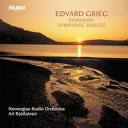
Edvard Grieg's "Nordische Suiten," which translates to "Nordic Suites," is an album that highlights the composer's deep connection to his Norwegian roots and the rich cultural tapestry of the Nordic countries. Released in 1891, this collection consists of three suites that blend traditional folk melodies with classical forms, showcasing Grieg's unique ability to weave together the narrative qualities of folk music with the sophistication of classical composition. The album was released under the Deutsche Grammophon label, a prestigious name in classical music, known for its commitment to high-quality recordings and promotion of significant composers.
The recording features notable collaborations with various orchestras and conductors who have interpreted Grieg's work, contributing to its enduring legacy. "Nordische Suiten" includes well-known movements such as "Lyric Pieces" and "Peer Gynt," which are interspersed with less familiar tracks that nonetheless resonate with the listener's understanding of Nordic culture. Grieg's use of the piano, combined with orchestration, creates an immersive soundscape that transports the listener to the fjords and landscapes of Norway.
Despite the passage of over a century since its initial release, "Nordische Suiten" continues to be celebrated for its cultural significance, reflecting the spirit of the late Romantic era while also echoing the folk traditions of Scandinavia. The album has inspired countless interpretations and remains a staple in the repertoires of many orchestras worldwide, reinforcing Grieg's stature as one of the most prominent composers of his time.
Review
The sound of "Nordische Suiten" is a brilliant tapestry of orchestral color and intricate piano work, showcasing Grieg's mastery in bridging the gap between folk music and classical composition. The melodies are both lyrical and haunting, often evoking the natural beauty and mystique of the Nordic landscape. Each suite brings a different emotional resonance, from the joyous energy of folk dances to the melancholic introspection found in slower movements. Grieg's artistic vision remains clear: he draws upon his heritage to create music that speaks to universal themes of love, nature, and the human experience.
While the album is predominantly instrumental, the emotive quality of the music communicates volumes without the need for lyrics. The interplay between the piano and orchestra is particularly striking, with each component complementing the other beautifully. Grieg's use of harmony and rhythm captures the essence of his cultural influences while maintaining a distinctly personal touch that resonates with listeners even today.
Highlights
- Rich orchestration that beautifully complements Grieg's piano work.
- Emotional depth that evokes a strong sense of place and culture.
- Timeless melodies that resonate with audiences across generations.
Weak points
- Some may find the pacing uneven across the suites.
- Less-known pieces may lack the immediate appeal of more popular works.
- Limited vocal elements might not engage listeners seeking lyrical content.
Overall evaluation
Edvard Grieg's "Nordische Suiten" is a testament to his genius as a composer, expertly blending folk traditions with classical elegance. Its enduring appeal lies in its ability to transport listeners to the heart of Scandinavia while showcasing Grieg's distinctive style. Though it has its minor flaws, the album remains a significant contribution to the classical music canon.
Personal rating: 9/10 1990Violin Sonatas
 1989Symphony
 1965Peer Gynt