ALBUM NOTESListening guide: Edvard Grieg's Klavierkonzerte
Klavierkonzerte- Album Overview
Edvard Grieg's "Klavierkonzerte," or Piano Concertos, primarily refers to his Piano Concerto in A minor, Op. 16, which remains one of the most beloved pieces in the classical repertoire. Composed in 1868, it was first premiered in 1888 by the composer himself. Grieg, a Norwegian composer, is renowned for his ability to infuse Nordic folk themes into traditional classical structures. The concerto is a rich tapestry of lyrical melodies and harmonic innovation, reflecting both the Romantic style and Norway's natural beauty.
The work has been recorded numerous times and released by various labels, including Deutsche Grammophon and EMI Classics. A significant recording of this piece features the renowned pianist Leif Ove Andsnes, who has been praised for his nuanced interpretations. The concerto consists of three movements: Allegro moderato, Adagio, and Allegro moderato, each showcasing Grieg's lyrical style and virtuosic demands on the pianist.
Culturally, Grieg’s Piano Concerto holds a pivotal role in establishing a national identity for Norway through music, as it embodies the spirit and soul of the Norwegian landscape. The piece has influenced countless musicians and composers and remains a staple in concert halls worldwide. Its themes have transcended generations, making it not only a performance favorite but also a significant work for study in music education.
Review
Grieg's Piano Concerto is a masterpiece that seamlessly blends technical prowess with emotive depth. The first movement sets the tone with its opening orchestral chords, which give way to a striking piano entrance that captivates the listener's attention. The rich harmonies and rhythmic vitality throughout the piece showcase Grieg's innovative approach to piano writing. The lyrical Adagio serves as a beautiful contrast, allowing the pianist to explore a more introspective and delicate side of the music, filled with passionate intensity.
The final movement bursts forth with exuberance, encapsulating the spirit of Norwegian folk music while demanding a high level of skill from the performer. The interplay between the piano and orchestra is masterfully crafted, creating a dialogue that feels both intimate and grandiose. Grieg's ability to evoke a sense of place and emotion through his compositions is evident, making each performance a unique experience that resonates deeply with audiences.
Highlights
- Exquisite melodies that showcase Grieg's lyrical genius.
- A perfect balance of technical challenge and emotional expression.
- The integration of Norwegian folk elements adds a unique cultural depth.
Weak points
- Some interpretations may lack the required emotional nuance.
- Occasional overemphasis on technical aspects can overshadow musicality.
- Limited diversity in the soloist's interpretation across recordings.
Overall evaluation
Grieg's "Klavierkonzerte" remains a timeless work that brilliantly captures the essence of Romantic music while showcasing the beauty of Norwegian culture. It is a testament to Grieg's skill and vision as a composer and continues to inspire pianists and audiences alike.
Personal rating: 9/10


 1990Violin Sonatas
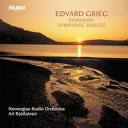 1989Symphony
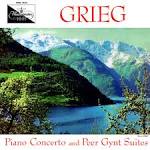 1965Peer Gynt