

The evolution of Edvard Grieg in Symfoni I C-moll
Symfoni I C-moll- Album Overview
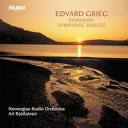
Edvard Grieg's "Symfoni I C-moll," written between 1864 and 1865, is a defining work in the realm of Romantic orchestral music. Initially composed for the Norwegian National Company, the symphony was first performed in 1888, long after Grieg's original conception, and was released by the label Grieg Foundation in the early 1990s as part of their commitment to preserving Grieg's legacy. The symphony is notable for its lush orchestration and strong ties to Norwegian folk music, showcasing Grieg's ability to blend traditional sounds with the larger symphonic form. Collaborators on the album include renowned conductors and orchestras who have helped revive this lesser-known work, ensuring its place in the concert repertoire. The symphony comprises four movements: Allegro moderato, Andante, Allegro, and Finale, each reflecting Grieg's unique melodic style and harmonic language. Despite its historical significance, the work has often been overshadowed by Grieg's more famous compositions, like the "Piano Concerto in A minor." However, "Symfoni I C-moll" is a crucial part of understanding Grieg's evolution as a composer, bridging his early influences and his later, more mature works that emphasize national identity and lyrical beauty.
Review
"Symfoni I C-moll" presents a rich tapestry of orchestral textures that encapsulate Grieg's artistry. The opening movement is characterized by its dramatic intensity and lyrical themes, setting a tone that is both reflective and tempestuous. Grieg's penchant for melody shines throughout the symphony, particularly in the Andante, where the strings deliver hauntingly beautiful lines that are reminiscent of Norwegian folk tunes. The rhythmic vitality in the third movement is infectious, showcasing Grieg's ability to create lively, dance-like passages that contrast with the more somber moments. The finale brings the symphony to a powerful conclusion, blending energy with thematic cohesion. While the symphony does not have lyrics, its musical narrative speaks volumes about Grieg's artistic vision, infusing the classical symphonic form with a distinctly Norwegian character. This work stands as a testament to Grieg's evolution, reflecting both his personal and cultural identity throughout its movements.
Highlights
- Rich orchestration that beautifully blends classical and folk elements.
- Memorable melodies that showcase Grieg's lyrical talent.
- Strong emotional depth that resonates with listeners throughout its movements.
Weak points
- The symphony is less known compared to Grieg's more popular works, limiting its exposure.
- Some may find the structure less innovative compared to contemporaneous symphonies.
- Occasional passages may feel derivative of earlier Romantic influences.
Overall evaluation
Edvard Grieg's "Symfoni I C-moll" is a significant piece that deserves more attention within the symphonic repertoire. It highlights the composer’s unique voice while remaining rooted in the traditions of his time. A blend of emotional depth and cultural significance makes it a compelling listen.
Personal rating: 8/10 1990Violin Sonatas
 1989Symphony
 1965Peer Gynt