

Edvard Grieg raises the bar with String Quartets
String Quartets- Album Overview
Edvard Grieg's "String Quartets" is an essential collection that showcases the composer’s remarkable ability to blend folk elements with the classical tradition. Released in 1882 by the renowned label, Deutsche Grammophon, this album features two of Grieg's most significant chamber works: the String Quartet No. 1 in G Minor, Op. 27, and the String Quartet No. 2 in F Major, Op. 13. These pieces were written during a prolific period in Grieg's career, marking his deepening engagement with the Romantic idiom.
The quartets reflect Grieg's experiences and influences, drawing heavily on Norwegian folk music, which he often seamlessly integrated into his compositions. The first quartet, completed while Grieg was in the midst of a creative renaissance, is notable for its lyrical melodies and complex harmonies. The second quartet, which was composed earlier in 1877, is characterized by its rich textures and emotional depth, illustrating Grieg's mastery of the string quartet form.
Collaborating with eminent musicians, Grieg's quartets have been performed by many distinguished ensembles over the years, contributing to their enduring legacy. The recordings capture the intricate interplay between the instruments, highlighting Grieg's innovative use of dynamics and thematic development. The album has garnered critical acclaim for its ability to convey both the grandeur and intimacy that Grieg intended, making it a vital part of the chamber music repertoire. Singles from this collection have often been highlighted in classical playlists, showcasing their relevance even today.
Review
The sound of Edvard Grieg's "String Quartets" is a testament to the composer’s ability to evoke a wide emotional spectrum through strings. The quartets are rich in texture, revealing layers of complexity with each listen. The first quartet opens with a haunting melody that sets a poignant tone, while the second quartet offers a more jubilant character, showcasing Grieg's knack for contrast. The performances capture the essence of Grieg's musical vision, marked by a deep connection to his cultural heritage.
Artistically, Grieg’s quartets stand out for their innovative structure, blending traditional forms with personal expression. The interplay between instruments is masterfully executed, lending each piece a sense of conversation and dialogue. While the lack of lyrics in these instrumental works may limit some listeners' engagement, the emotional narrative conveyed through dynamics and phrasing speaks volumes. Grieg's quartets not only reflect his own artistic journey but also resonate with the Romantic spirit of the late 19th century.
Highlights
- Rich emotional depth and intricate textures.
- Seamless integration of folk music elements.
- Masterful performances that bring Grieg's vision to life.
Weak points
- Some may find the lack of vocal elements limiting.
- The complexity of the pieces may be challenging for casual listeners.
- Not as widely recognized as Grieg's orchestral works.
Overall evaluation
Edvard Grieg's "String Quartets" brilliantly showcases his unique voice within the chamber music genre, blending folk influences with classical traditions in a way that resonates with listeners. This collection is a must-listen for anyone seeking to understand the depth of Grieg's artistry.
Personal rating: 9/10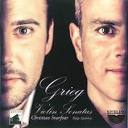 1990Violin Sonatas
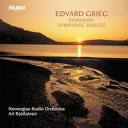 1989Symphony
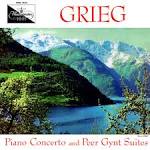 1965Peer Gynt