

Lyric Pieces by Edvard Grieg: expectations vs reality
Lyric Pieces- Album Overview
Edvard Grieg's "Lyric Pieces," a collection of 66 short piano compositions, was published in several volumes between 1867 and 1901. These pieces are a quintessential representation of the Romantic era and showcase Grieg's exceptional ability to blend Norwegian folk music influences with classical forms. The first volume was released in 1867 by the publisher, C. F. Peters, and features an array of evocative titles like "Norse Dance," "Arietta," and "Lyric Piece," which convey deep emotional resonance and picturesque imagery.
The "Lyric Pieces" series has been performed and recorded by numerous pianists, making it one of Grieg’s most accessible works. The music is characterized by its lyrical melodies, rich harmonies, and expressive dynamics, all of which reflect Grieg's unique style. Notable recordings include those by renowned pianists such as Leif Ove Andsnes and Emil Gilels, who have contributed to the enduring popularity of these pieces. The cultural significance of "Lyric Pieces" extends beyond the concert hall; they have been employed in various films and media, further cementing Grieg's status as a pivotal figure in classical music. The pieces are often used as pedagogical tools for aspiring pianists, highlighting their technical yet lyrical nature, making them a staple in piano repertoires worldwide.
Review
The "Lyric Pieces" offer a fascinating journey through Grieg's musical landscape, where expectations often revolve around the simplicity of the compositions. While they may appear straightforward to the inexperienced ear, a closer examination reveals a complex interplay of emotions and technical prowess. Each piece encapsulates a moment, a feeling, or a memory, inviting listeners to immerse themselves in Grieg's introspective world. The absence of lyrics allows the music to speak for itself, which is both a strength and a limitation; the listener's interpretation fills the void left by words, creating a personal connection to the music. Grieg's artistic vision is evident in his capacity to evoke nature, love, and nostalgia through his piano works, making "Lyric Pieces" a profound exploration of the human experience.
Highlights
- The evocative melodies that resonate emotionally with listeners.
- The seamless blend of Norwegian folk elements with classical music traditions.
- The accessibility of the pieces, making them popular among both performers and audiences.
Weak points
- The brevity of some pieces may leave listeners wanting more depth.
- Occasional over-familiarity in the repertoire can lead to diminished impact.
- The lack of lyrics might limit emotional engagement for some listeners.
Overall evaluation
"Lyric Pieces" by Edvard Grieg remains a cornerstone of Romantic piano literature, blending simplicity with emotional depth. While they may challenge preconceived notions of complexity in classical music, their beauty and expressiveness continue to captivate audiences and performers alike.
Personal rating: 8/10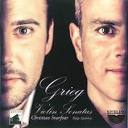 1990Violin Sonatas
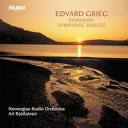 1989Symphony
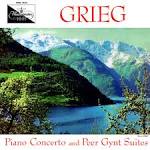 1965Peer Gynt