

Why Edvard Grieg's Peer Gynt Suites No. 1 And No. 2 - Holberg Suite O matters
Peer Gynt Suites No. 1 And No. 2 - Holberg Suite O- Album Overview
Edvard Grieg's "Peer Gynt Suites No. 1 and No. 2 - Holberg Suite" is a collection of orchestral works that encapsulate the essence of Norwegian nationalism and romanticism. The album features Grieg's two suites derived from his incidental music for Henrik Ibsen's play "Peer Gynt," composed between 1874 and 1875. The first suite includes famous movements such as "Morning Mood" and "In the Hall of the Mountain King," while the second suite showcases "The Death of Aase" and "Anitra's Dance," all highlighting Grieg's signature melodic style and orchestration. The "Holberg Suite," written in 1884 to commemorate the 200th anniversary of playwright Ludvig Holberg, further exemplifies Grieg's ability to blend classical forms with folk influences. This album has been released in various formats, with notable recordings by orchestras like the London Philharmonic and the Oslo Philharmonic, and it has been released under labels such as Deutsche Grammophon and Chandos. The combination of the suites and the Holberg Suite underscores Grieg’s impact on classical music, illustrating his role in the development of a distinct Norwegian sound that resonates through generations. The album’s cultural significance lies in its ability to evoke the landscapes and folklore of Norway, making it a vital part of the orchestral repertoire and a staple in classical music collections.
Review
The sound of “Peer Gynt Suites No. 1 and No. 2 - Holberg Suite” is a vibrant tapestry of orchestral color and textural richness. Grieg’s mastery of melody shines through in every piece, particularly in the beloved "Morning Mood," which conjures images of dawn breaking over the Norwegian fjords. The emotional depth of the music is palpable, with each movement telling its own story while seamlessly connecting to the others. The orchestration is both lush and intricate, allowing performers to showcase their technical prowess while still conveying the emotional weight of the music. Grieg's use of folk elements adds a unique flavor, grounding the listener in Norway's cultural heritage. The artistic vision behind these works is a blend of romantic expressiveness and national pride, making them significant not only as entertainment but as representations of a nation’s identity. While primarily instrumental, the music speaks volumes, drawing the listener into a world rich with narrative and atmosphere, making it an enduring favorite among audiences and performers alike.
Highlights
- Masterful orchestration that brings out the beauty of Grieg's melodies.
- Emotional depth that resonates with listeners of all backgrounds.
- Cultural significance as a representation of Norwegian heritage.
Weak points
- Some may find the romantic style less appealing compared to modern compositions.
- Occasional predictability in melodic structures for seasoned listeners.
- Lack of vocal elements may limit appeal to those who favor operatic works.
Overall evaluation
Edvard Grieg's "Peer Gynt Suites No. 1 and No. 2 - Holberg Suite" is an essential listening experience that captures the spirit of Norway through its rich orchestration and emotive melodies. The album stands as a testament to Grieg's genius and remains relevant in classical music today.
Personal rating: 9/10 1990Violin Sonatas
 1989Symphony
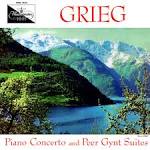 1965Peer Gynt