

Diving deep into Piano Concertos by Edvard Grieg
Piano Concertos- Album Overview
Edvard Grieg's "Piano Concertos," originally composed in 1868, remains one of the most celebrated works in the piano concerto repertoire. The piece showcases Grieg's unique ability to blend Norwegian folk music with classical forms, making it a significant cultural artifact of the Romantic era. The concerto was first performed in 1888 in Copenhagen, and since then, it has been recorded numerous times, each interpretation bringing its own nuance to Grieg's vibrant melodies and rich harmonies.
The album typically features the "Piano Concerto in A minor, Op. 16," along with other piano works, depending on the recording. Grieg's work is marked by its lyrical themes and dramatic contrasts, particularly in its famous first movement, which opens with a powerful orchestral statement followed by a lyrical piano entrance. The recording often brings together renowned soloists and orchestras, such as the London Philharmonic Orchestra or the Oslo Philharmonic, under the baton of distinguished conductors.
While the exact release details of various editions differ, many modern recordings have been released under labels like Deutsche Grammophon and Chandos. Collaborators on these albums often include celebrated pianists who bring their interpretations to Grieg's emotive lines. The cultural significance of the concerto cannot be understated, as it has played a vital role in establishing Norwegian music on the world stage, influencing generations of composers and musicians.
Review
The sound of Grieg's "Piano Concertos" resonates with a lushness that captures the essence of the Norwegian landscape. Each recording brings forth the delicate interplay between the piano and orchestra, showcasing not just technical prowess but also emotional depth. The lyrical quality of the piano writing is particularly noteworthy, inviting the listener into a world where nature and emotion intertwine. Critics often praise the way the concerto balances robust orchestral sections with intimate piano passages, creating a dialogue that is both powerful and reflective.
Grieg's artistic vision, rooted in his love for Norwegian folk traditions, is apparent throughout the concerto. The themes evoke imagery of the fjords and mountains, and the rhythmic patterns often reflect traditional Norwegian dances. This ability to infuse national identity into classical music makes Grieg a pivotal figure in the Romantic movement, and his concerto remains a staple in the repertoires of many pianists today.
Highlights
- Exquisite melodic lines that evoke a deep emotional response.
- Masterful orchestration that balances piano and orchestral elements seamlessly.
- Cultural significance as a cornerstone of Norwegian classical music.
Weak points
- Some interpretations may lack the dynamism that the score demands.
- The popularity of the concerto can lead to over-familiarity in performances.
- Occasional recordings may prioritize technical precision over emotional expression.
Overall evaluation
Edvard Grieg's "Piano Concertos" remains a timeless masterpiece that showcases the intersection of Norwegian folk music and classical tradition. Its emotional depth and lyrical beauty continue to captivate audiences and performers alike.
Personal rating: 9/10 1990Violin Sonatas
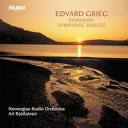 1989Symphony
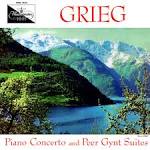 1965Peer Gynt