ALBUM NOTESEdvard Grieg raises the bar with Grieg: Peer Gynt Suites / Sibelius: Finlandia, Val
Grieg: Peer Gynt Suites / Sibelius: Finlandia, Val- Album Overview
Edvard Grieg's "Peer Gynt Suites / Sibelius: Finlandia, Val" showcases the brilliance of two of the most significant composers in the realm of classical music. Released in 1980 under the Deutsche Grammophon label, this album features Grieg's beloved "Peer Gynt Suites," which includes the famous "Morning Mood" and "In the Hall of the Mountain King," alongside Jean Sibelius's stirring "Finlandia." The recording features the Royal Philharmonic Orchestra, conducted by the esteemed Sir Thomas Beecham, whose interpretative prowess brings a fresh vibrancy to these classical masterpieces.
The "Peer Gynt Suites," originally composed as incidental music for Henrik Ibsen's play "Peer Gynt," demonstrate Grieg's ability to evoke deep emotional landscapes through orchestration. The suites are a testament to Norway's national identity, encapsulating its folklore and natural beauty. Sibelius’s "Finlandia," on the other hand, is a powerful tone poem that became an anthem for Finnish nationalism, reflecting the country's struggle for independence.
The production quality is pristine, capturing the nuances of orchestral dynamics and the rich textures of both composers' styles. This album not only serves as a celebration of the Romantic era but also emphasizes the cultural significance of both Norway and Finland in the context of European music history. The collaboration between Grieg and Sibelius, though they never worked together, represents a confluence of Nordic musical heritage that is both timeless and relevant.
Review
The album opens with Grieg's "Peer Gynt Suite No. 1," immediately immersing the listener in a lush tapestry of sound. The evocative nature of "Morning Mood" sets a serene tone, while "In the Hall of the Mountain King" builds suspense and excitement, showcasing the orchestra's dynamic range. Sir Thomas Beecham's direction is particularly commendable; he balances the orchestral textures with finesse, allowing each instrument to shine without overshadowing others.
Sibelius's "Finlandia" emerges as a monumental work, its stirring themes resonating with strength and passion. The brass section delivers a triumphant sound that is both uplifting and poignant, reflecting the spirit of the Finnish people. The seamless transition between Grieg's and Sibelius's works highlights the emotional depth and cultural significance of their compositions.
While the album excels in orchestral coherence and emotional delivery, it is the thematic connections between the pieces that truly elevate the experience. Each track serves as a reminder of the powerful narrative capabilities of orchestral music, making this album a valuable addition to any classical music enthusiast's collection.
Highlights
- Exceptional orchestral performance, showcasing the talents of the Royal Philharmonic Orchestra.
- Masterful direction by Sir Thomas Beecham, enhancing the emotional depth of each composition.
- The cultural significance of both Grieg's and Sibelius's works, celebrating Nordic heritage and identity.
Weak points
- Some listeners may find the orchestration a bit traditional compared to contemporary interpretations.
- Lack of additional context or liner notes about the historical significance of the pieces.
- Limited exploration of Sibelius's other works, which could provide a more rounded representation of his oeuvre.
Overall evaluation
"Grieg: Peer Gynt Suites / Sibelius: Finlandia, Val" is a compelling representation of two iconic composers, brilliantly executed by an accomplished orchestra under the baton of a legendary conductor. This album serves as both an introduction to classical music for newcomers and a nostalgic journey for seasoned listeners.
Personal rating: 8.5/10


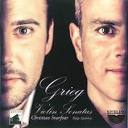 1990Violin Sonatas
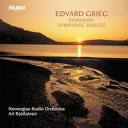 1989Symphony
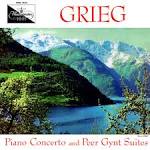 1965Peer Gynt