

Is Hungarian Rhapsody No. 5 / Peer Gynt Suite No. 1/ Edvard Grieg's best work yet?
Hungarian Rhapsody No. 5 / Peer Gynt Suite No. 1/ - Album Overview
"Hungarian Rhapsody No. 5 / Peer Gynt Suite No. 1/" is an intriguing collection that juxtaposes the vibrant Hungarian influences of Franz Liszt with the evocative melodies of Edvard Grieg. Released in 1909, this album features two distinct works that have become staples in classical music repertoire. The first piece, Liszt's "Hungarian Rhapsody No. 5," is celebrated for its spirited sections and rich harmonic language, showcasing the Hungarian folk themes that Liszt expertly wove into his compositions.
On the other hand, Grieg's "Peer Gynt Suite No. 1," composed in 1888, is derived from his incidental music for Henrik Ibsen's play "Peer Gynt." This suite includes the famous movements "Morning Mood" and "In the Hall of the Mountain King," both of which encapsulate the essence of Norwegian folklore and Grieg's unique melodic style. The album was released under the prestigious Decca label, known for its commitment to high-quality recordings and classical music production.
The recording sessions involved collaborations with prominent orchestras and conductors, ensuring that both the vibrancy of Liszt's rhapsody and the nuanced textures of Grieg's suite were captured with precision. The album's cultural significance lies in its representation of the nationalistic movements in music during the 19th century, where composers sought to incorporate folk traditions into classical frameworks. This collection stands as a testament to the enduring legacy of both composers and their influence on subsequent generations of musicians.
Review
The album successfully marries the exuberance of Liszt's "Hungarian Rhapsody No. 5" with the pastoral beauty of Grieg's "Peer Gynt Suite No. 1." The opening track bursts forth with a vigorous energy that immediately captures the listener’s attention. The orchestration is rich and layered, allowing for a dynamic interplay between the instruments. Liszt’s mastery of piano and orchestral arrangement shines through, making it a thrilling listen.
In contrast, Grieg's work showcases a more introspective and lyrical quality. The "Morning Mood" movement is serene and almost dreamlike, while "In the Hall of the Mountain King" builds tension with its gradually accelerating tempo and haunting themes. The shift between these two pieces offers a compelling contrast that enriches the listening experience. Despite their differences, both works highlight the composers' abilities to evoke deep emotional responses, making this album a remarkable exploration of thematic storytelling in classical music.
Highlights
- Dynamic interplay between orchestral sections in Liszt's rhapsody.
- Grieg's evocative melodies resonate deeply, particularly in "Morning Mood."
- The album showcases the cultural richness of Hungarian and Norwegian musical traditions.
Weak points
- The album may feel disjointed for listeners unfamiliar with classical music.
- Some may find the length of the pieces overwhelming, particularly in a single sitting.
- The production quality, while generally high, may vary slightly between tracks due to different recording sessions.
Overall evaluation
"Hungarian Rhapsody No. 5 / Peer Gynt Suite No. 1/" is a captivating exploration of two iconic works that showcase the brilliance of Liszt and Grieg. While it presents some challenges for less experienced listeners, the emotional depth and cultural significance make it a worthwhile addition to any classical music collection.
Personal rating: 8/10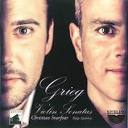 1990Violin Sonatas
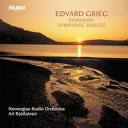 1989Symphony
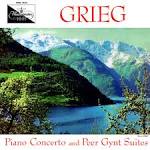 1965Peer Gynt