

Listening guide: Edvard Grieg's Symphonic Dances, Op. 64 / Norwegian Dances, Op. 3
Symphonic Dances, Op. 64 / Norwegian Dances, Op. 3- Album Overview
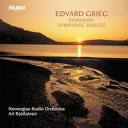
Edvard Grieg's "Symphonic Dances, Op. 64 / Norwegian Dances, Op. 3" is a compelling exploration of Norwegian folk themes through the lens of classical orchestration. First published in 1898, the "Symphonic Dances" is a suite of four movements that showcases Grieg's ability to blend traditional Norwegian melodies with rich harmonies and intricate orchestral textures. The "Norwegian Dances," originally composed in 1888, is a set of four orchestral dances that celebrate Norway's folk music heritage. Both works exhibit Grieg's signature lyrical style and vibrant orchestration, making them essential pieces in the orchestral repertoire. This album was released under the Chandos Records label and features renowned conductor Neeme Järvi leading the Gothenburg Symphony Orchestra. The recording captures the energy and nuance of the performances, highlighting the colorful orchestration and rhythmic vitality inherent in Grieg's music. The album includes essential tracks such as "Allegro moderato," "Allegretto grazioso," and "Allegro con brio" from the "Symphonic Dances" as well as the lively "Dance No. 1" and "Dance No. 2" from the "Norwegian Dances." The cultural significance of these works lies in their ability to encapsulate the essence of Norwegian identity and folklore, making them not only a delight for classical music enthusiasts but also a reflection of Grieg’s deep connection to his homeland. The meticulous attention to detail in the orchestration, alongside the rhythmic energy of the dances, resonates with audiences and provides a vivid auditory experience of Norway's rich musical traditions.
Review
This album presents a captivating journey through Grieg’s musical landscapes, characterized by lush harmonies and intricate melodies. The "Symphonic Dances" offers a dynamic range, from the reflective to the exuberant, all while maintaining a cohesive thematic thread. Järvi's direction brings out the subtleties of Grieg's orchestration, allowing the woodwinds, strings, and brass to shine in their respective moments. The "Norwegian Dances" are equally engaging, filled with rhythmic vitality that captures the essence of Norwegian folk culture. The emotional depth found in Grieg's compositions is palpable, with each movement telling its own story while contributing to a larger narrative of national pride and cultural identity. While the album is instrumental, the music speaks volumes, evoking images of Norwegian landscapes and traditions. The recording’s clarity enhances the listening experience, making it easy for audiences to appreciate the intricate interplay between the orchestra’s sections. Overall, this album is an exemplary showcase of Grieg's artistic vision, highlighting how traditional folk elements can be transformed into sophisticated concert works that resonate with a wide audience.
Highlights
- Rich orchestration that vividly captures the essence of Norwegian folk music.
- Dynamic performances led by conductor Neeme Järvi, showcasing the musicians' talents.
- Emotional depth and cultural significance that enrich the listening experience.
Weak points
- The album may feel less accessible to those unfamiliar with classical music conventions.
- Some listeners might find the movements occasionally lengthy, requiring attentive listening.
- A lack of vocal elements may deter those who prefer lyrical compositions.
Overall evaluation
Edvard Grieg's "Symphonic Dances, Op. 64 / Norwegian Dances, Op. 3" is a masterful representation of Norwegian musical heritage, brought to life by exceptional orchestral performances. The album combines technical brilliance with emotional resonance, making it a significant addition to any classical music collection.
Personal rating: 8/10 1990Violin Sonatas
 1989Symphony
 1965Peer Gynt