

Breaking down the themes in Sérénades by Edvard Grieg
Sérénades- Album Overview
"Sérénades" is a captivating collection of orchestral works by the renowned Norwegian composer Edvard Grieg, released in the late 19th century. Although the album itself may not have a specific release date tied to a singular recording, Grieg's compositions, particularly the "Sérénade" for string orchestra, were published in 1901 as part of his broader oeuvre, showcasing his rich melodic style and orchestral color. The works on this album, primarily recorded and released by various classical music labels, exemplify Grieg's mastery of blending folk elements with classical traditions, a hallmark of his artistic vision.
The "Sérénade" in G major, Op. 26, is one of the standout pieces that encapsulate the essence of Grieg's style, characterized by lyrical melodies and intricate harmonies. Collaborations with various orchestras and conductors throughout the years have helped bring these pieces to life, elevating their presence in the classical music canon. The album includes various tracks that reflect Grieg's connection to Norwegian folk music, which is woven throughout his compositions. The cultural significance of Grieg's work is profound; he is often credited with establishing a distinct Norwegian musical identity during a time when national romanticism was rising across Europe.
Overall, "Sérénades" remains a vital part of Grieg's legacy, illustrating his unique voice and emotional depth. The album has inspired countless musicians and composers and continues to be a staple in classical repertoire, highlighting the timeless appeal of Grieg's music.
Review
The sound of "Sérénades" is a delightful fusion of romanticism and folk influences, encapsulated by lush strings and enchanting melodies. Grieg's ability to evoke emotion through his orchestration is evident in the gentle crescendos and poignant harmonies that define these works. The artistic vision presented in the "Sérénade" reflects a deep connection to nature and the Norwegian landscape, with each movement painting vivid images through sound. While the pieces may lack lyrical content, the music speaks volumes, inviting listeners into a world of serene beauty and introspection.
The thematic elements of longing, nostalgia, and celebration of the natural world resonate throughout the album, showcasing Grieg's prowess in creating a rich auditory experience. This album stands as a testament to Grieg's genius in marrying folk traditions with classical forms, resulting in compositions that feel both innovative and deeply rooted in his heritage.
Highlights
- Rich orchestration that beautifully captures the essence of Norwegian folk music.
- Lyrical melodies that evoke deep emotional responses from listeners.
- A timeless quality that allows the music to resonate across generations.
Weak points
- The absence of vocal elements may limit appeal for some listeners.
- Some tracks may feel repetitive in their melodic structures.
- Limited diversity in instrumentation across the album.
Overall evaluation
"Sérénades" by Edvard Grieg is a masterful exploration of orchestral beauty and emotional depth, firmly establishing Grieg's place in the classical music landscape. Its thematic richness and melodic charm make it a worthwhile listen for any classical music enthusiast.
Personal rating: 8/10 1990Violin Sonatas
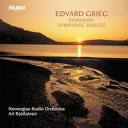 1989Symphony
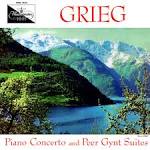 1965Peer Gynt