ALBUM NOTESInside Piano Concerto In A Minor / Peer Gynt Suite No. 2 by Edvard Grieg
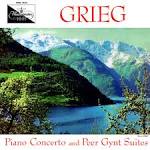
Piano Concerto In A Minor / Peer Gynt Suite No. 2 - Album Overview
The album "Piano Concerto In A Minor / Peer Gynt Suite No. 2" features two of Edvard Grieg's most celebrated works, showcasing his unique contribution to the Romantic era of classical music. Released in 1868, the Piano Concerto in A Minor, Op. 16, is one of Grieg's most popular compositions, renowned for its lyrical melodies and rich orchestration. The piece reflects not only Grieg's Norwegian heritage but also his influences from other composers such as Chopin and Liszt.
The Peer Gynt Suite No. 2, derived from Grieg's incidental music for Henrik Ibsen's play "Peer Gynt," premiered in 1875 and consists of four movements: "The Abduction of the Bride," "The Death of Åse," "Anitra's Dance," and "In the Hall of the Mountain King." This suite has become iconic, particularly "In the Hall of the Mountain King," which has permeated popular culture and is frequently used in various media.
The album has been released by several labels over the years, including Deutsche Grammophon and RCA Victor, featuring various interpretations by renowned orchestras and soloists such as pianist Leif Ove Andsnes and the Bergen Philharmonic Orchestra. Its recordings have been celebrated for their clarity and emotional depth, and they highlight Grieg's ability to blend Norwegian folk music elements with classical structures. The album remains a significant cultural artifact that captures the essence of Grieg's artistic vision and his role in establishing a national musical identity for Norway.
Review
Grieg's "Piano Concerto In A Minor / Peer Gynt Suite No. 2" is a masterclass in emotional storytelling through music. The concerto opens with a bold orchestral introduction, leading into the piano's delicate yet powerful entrance that sets the stage for a rich dialogue between the soloist and the orchestra. The second movement, marked Adagio, reveals Grieg's lyrical prowess, with the piano weaving a poignant melody that resonates deeply with the listener.
The Peer Gynt Suite No. 2 continues this exploration of emotion, showcasing Grieg's ability to evoke imagery and narrative without words. Each movement paints a vivid scene, from the joyous dance of Anitra's Dance to the darkly whimsical energy of In the Hall of the Mountain King. The orchestration is lush, yet each instrument is given its moment to shine, creating a tapestry of sound that feels both cohesive and dynamic.
Overall, the album captures the essence of Grieg's artistic vision—melding personal expression with broad emotional appeal. It serves not only as a showcase of Grieg's technical skill but also as a cultural touchstone that resonates with audiences, both in its time and today.
Highlights
- Memorable and lyrical melodies that resonate with listeners.
- Rich orchestration that beautifully balances the piano and orchestra.
- Cultural significance as a representation of Norwegian musical identity.
Weak points
- Some may find the Romantic style overly sentimental.
- The popularity of certain pieces can overshadow Grieg's other notable works.
- Interpretations can vary significantly, leading to inconsistent listening experiences.
Overall evaluation
Edvard Grieg's "Piano Concerto In A Minor / Peer Gynt Suite No. 2" remains a timeless classic that showcases the beauty and depth of his musical language. It is a vital listening experience for classical music enthusiasts and those seeking to understand the essence of Norwegian cultural expression.
Personal rating: 9/10


 1990Violin Sonatas
 1989Symphony
 1965Peer Gynt