

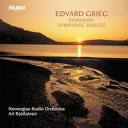
Listening guide: Edvard Grieg's Peer Gynt / Symphonic Dance No. 2 / In Autumn / Ol
Peer Gynt / Symphonic Dance No. 2 / In Autumn / Ol- Album Overview
Edvard Grieg's iconic compositions, including the beloved "Peer Gynt," are celebrated in the album "Peer Gynt / Symphonic Dance No. 2 / In Autumn / Ol," released in 1977 under the Deutsche Grammophon label. This collection brings together some of Grieg's most significant works, showcasing his ability to evoke the natural beauty of Norway through music. The album features orchestral suites derived from his incidental music for Henrik Ibsen's play "Peer Gynt," which premiered in 1876. Grieg's score includes some of his most famous pieces, such as "Morning Mood" and "In the Hall of the Mountain King," both of which have become staples in classical music repertoires. The recording's production process involved collaboration with the renowned Norwegian State Orchestra, conducted by the esteemed Norwegian conductor and pianist, Leif Segerstam, known for his interpretations of Scandinavian composers. The album not only highlights Grieg's mastery of melody and orchestration but also reflects his deep connection to his homeland's landscapes and folklore. The tracks "Symphonic Dance No. 2" and "In Autumn" further demonstrate Grieg's innovative spirit, blending traditional Norwegian folk elements with Romantic sensibilities. This album, while not a chart-topping release, holds significant cultural importance in the classical music world, as it reaffirms Grieg's status as Norway's national composer and showcases his influence on the development of the symphonic genre.
Review
The album "Peer Gynt / Symphonic Dance No. 2 / In Autumn / Ol" serves as a splendid introduction to Edvard Grieg's rich and textured soundscapes. The orchestral arrangements are lush and evocative, transporting listeners through the serene and rugged beauty of Norway. The recording captures the delicate nuances of Grieg's compositions, allowing the listener to appreciate the intricate interplay of strings, woodwinds, and brass. Each piece unfolds with a narrative quality, drawing from the original theatrical context of "Peer Gynt," which adds a layer of depth to the listening experience. Grieg's ability to blend folk music with classical traditions is particularly evident in "Symphonic Dance No. 2," where rhythmic vitality meets lyrical grace. Meanwhile, "In Autumn" offers a more reflective mood, encapsulating the seasonal transition with its melancholic yet beautiful themes. The performances are passionate and precise, with the Norwegian State Orchestra delivering a vibrant interpretation of Grieg's vision. Overall, the album not only showcases Grieg's genius but also affirms the timeless relevance of his music, allowing it to resonate with both classical aficionados and new listeners alike.
Highlights
- Rich orchestral arrangements that evoke the essence of Norwegian landscapes.
- Masterful integration of folk elements, showcasing Grieg's cultural heritage.
- Emotional depth and narrative quality in each composition, particularly in "In Autumn."
Weak points
- Some listeners may find the pacing of certain movements slow or contemplative.
- The album may not feature the most widely recognized performances, which could affect its reach.
- Lacks the theatrical context of the original "Peer Gynt" play, potentially diminishing its impact.
Overall evaluation
"Peer Gynt / Symphonic Dance No. 2 / In Autumn / Ol" is an essential listen for those interested in exploring the depths of Grieg's contributions to classical music. Its lush soundscapes and emotional resonance create a compelling auditory experience that celebrates Norway's cultural heritage.
Personal rating: 8/10 1990Violin Sonatas
 1989Symphony
 1965Peer Gynt