ALBUM NOTESFrom intro to finale: what Peer Gynt / Sigurd Jorsalfar delivers
Peer Gynt / Sigurd Jorsalfar- Album Overview
Edvard Grieg's "Peer Gynt / Sigurd Jorsalfar" is a monumental work in the realm of classical music, released in 1888. This album features two of Grieg's most celebrated compositions: the incidental music for Henrik Ibsen's play "Peer Gynt" and the music for the Norwegian opera "Sigurd Jorsalfar." The album is released under various labels, including Deutsche Grammophon and Naxos, showcasing Grieg’s exceptional ability to blend Norwegian folk elements with classical traditions.
The "Peer Gynt" suite, notably including movements like "Morning Mood" and "In the Hall of the Mountain King," is perhaps the most recognizable of Grieg’s works, capturing the essence of the drama and emotional arcs of Ibsen’s narrative. Recording sessions for "Peer Gynt" began in the late 19th century, with Grieg collaborating closely with orchestras to ensure his vision was realized authentically.
On the other hand, "Sigurd Jorsalfar," composed in 1892, reflects Grieg's nationalistic fervor and his desire to depict Norwegian folklore through orchestral narratives. The melding of rich orchestral textures and poignant melodies in both works demonstrates Grieg's mastery of orchestration and understanding of thematic development.
The album has had a significant cultural impact, influencing generations of composers and musicians, while also serving as a gateway for audiences to explore the beauty of Norwegian music and its folkloric roots. Grieg's work remains a staple in concert halls worldwide, attesting to its enduring legacy.
Review
"Peer Gynt / Sigurd Jorsalfar" is an evocative exploration of emotion through orchestration. Grieg's ability to translate Ibsen's poetic narrative into sound is nothing short of remarkable. The melodies are infused with a sense of longing and adventure, transporting listeners into the heart of Norwegian landscapes and folklore. The orchestration is rich and varied, showcasing Grieg's deft hand in blending strings, woodwinds, and brass to create contrasting moods.
The thematic material within "Peer Gynt" is often playful, juxtaposing moments of whimsy with darker, more introspective themes. The famous "In the Hall of the Mountain King" serves as a perfect example, building from a delicate whisper to a frenetic climax that captures the essence of the drama.
In "Sigurd Jorsalfar," Grieg further explores the epic nature of storytelling, drawing upon traditional Norwegian tales. The work is grander in scope, with sweeping melodies that evoke the spirit of heroism and adventure. However, it may feel more abstract compared to the approachable charm of "Peer Gynt," which can be less accessible for casual listeners.
Overall, the album is a testament to Grieg's artistic vision, showcasing his ability to weave narrative depth with musical expression.
Highlights
- Iconic melodies that resonate with both classical and popular audiences.
- Rich orchestration that beautifully captures the essence of Norwegian folklore.
- A captivating blend of drama and emotion, both in "Peer Gynt" and "Sigurd Jorsalfar."
Weak points
- Some movements may feel less cohesive for listeners unfamiliar with the narratives.
- The grandiosity of "Sigurd Jorsalfar" might overshadow the more accessible "Peer Gynt" for casual listeners.
- Occasional reliance on traditional forms may make certain sections predictable.
Overall evaluation
"Peer Gynt / Sigurd Jorsalfar" remains a cornerstone of Grieg's legacy, showcasing his ability to narrate through music. It is a rich tapestry of emotion, culture, and history, making it a must-listen for lovers of classical music and folklore alike.
Personal rating: 9/10


 1990Violin Sonatas
 1989Symphony
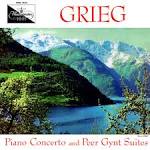 1965Peer Gynt