
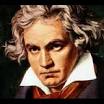
The evolution of Ludwig Van Beethoven in Symphony No 9 Choral
Symphony No 9 Choral- Album Overview
Released in 1824, Ludwig van Beethoven's Symphony No. 9 in D minor, Op. 125, popularly known as the "Choral," marks a pivotal moment in the history of classical music. This symphony is renowned for its innovative structure and the inclusion of vocal soloists and a choir in the final movement, a groundbreaking approach at the time. The work was commissioned by the King of Prussia and premiered in Vienna on May 7, 1824, under the baton of Beethoven himself, although he was profoundly deaf by this stage of his life.
The symphony is divided into four movements, with the last featuring the famous "Ode to Joy," textually based on Friedrich Schiller's poem that celebrates universal brotherhood. The piece was initially released under the label of the Vienna Philharmonic and has since been recorded by countless orchestras and ensembles worldwide, each bringing their unique interpretation to Beethoven's masterwork. Notable recordings include those by Herbert von Karajan and Leonard Bernstein, among others.
Musically, the Ninth Symphony represents a culmination of Beethoven's style, marrying classical forms with romantic expressivity. It reflects societal changes of the time, encapsulating the ideals of the Enlightenment and the burgeoning Romantic movement. The symphony's themes of joy, freedom, and unity resonate deeply, making it not just a musical composition, but a cultural artifact that inspires movements for peace and solidarity even today.
Review
Beethoven's Symphony No. 9 stands as a monumental achievement that redefined the possibilities of symphonic music. The opening movement is dramatic and tumultuous, showcasing Beethoven's mastery of orchestration and thematic development. The second movement, a lively scherzo, contrasts sharply with the somber depth of the first, offering a glimpse into Beethoven's playful side. The adagio is a profound meditation, allowing the listener to reflect on the human condition before the final, jubilant movement bursts forth with the "Ode to Joy."
The integration of choral elements into the symphony adds a layer of complexity that elevates it from a purely instrumental work to a vibrant human expression. The use of Schiller’s text serves as a universal call for unity and brotherhood, making it a timeless piece that transcends the confines of its era. Despite its historical context, the emotional weight of the symphony continues to resonate, proving Beethoven's ability to speak to the human experience across generations.
Highlights
- Innovative integration of vocal elements within a symphonic framework.
- Thematic depth, particularly in the "Ode to Joy," which conveys universal messages of unity.
- Masterful orchestration that showcases Beethoven's evolution as a composer.
Weak points
- The complexity of the score may present challenges for less experienced orchestras.
- Some listeners may find the length of the symphony demanding.
- The final movement, while celebrated, has been criticized for its abrupt shift in tone from the previous movements.
Overall evaluation
Beethoven's Symphony No. 9 is arguably one of the most influential and celebrated works in the classical repertoire. Its innovative structure, emotional depth, and cultural significance have ensured its place in history. This symphony not only showcases Beethoven's genius but also serves as a powerful anthem for humanity. It remains a profound reminder of music's ability to inspire and unite.
Personal rating: 10/10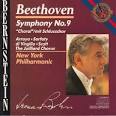 1972Symphony No. 9