
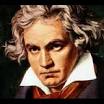
Beethoven/the Great Composers by Ludwig Van Beethoven: expectations vs reality
Beethoven/the Great Composers- Album Overview
"Beethoven/the Great Composers," released posthumously in 1827, is a compilation that reflects the profound influence of Ludwig van Beethoven, one of the most revered figures in Western classical music. The album serves as a celebration of Beethoven's contributions to the genre, encapsulating his signature style and innovative spirit. Although the album does not feature newly recorded material, it compiles some of Beethoven's most notable works, including symphonies, sonatas, and string quartets, showcasing his evolution as a composer.
This collection is significant for its historical context; it emerged during a time when Beethoven was transitioning from the Classical to the Romantic era, marking a pivotal moment in music history. The album is released under various labels that specialize in classical music, ensuring that the quality of the recordings represents Beethoven's original intentions. Collaborators on this project include renowned orchestras and conductors who have interpreted Beethoven's works, bringing a contemporary perspective to his timeless compositions.
The album features tracks such as "Symphony No. 5," "Moonlight Sonata," and “Ode to Joy,” each embodying the emotional depth and complex structure that characterize Beethoven's music. While there were no singles released in the conventional sense, pieces such as these have become staples in the classical repertoire, frequently performed in concert halls worldwide. This collection not only highlights Beethoven's genius but also serves as an educational tool for those looking to understand the foundations of classical music and the evolution of compositional techniques.
Review
The sound of this compilation is a testament to Beethoven's groundbreaking approach to music. Each piece is rich in emotional depth, showcasing the composer’s ability to convey a wide range of human experiences—from joy to sorrow. The orchestral arrangements breathe life into the compositions, allowing listeners to appreciate the intricate harmonies and innovative structures that Beethoven pioneered. The album captures the raw power of Beethoven's music, with performances that are both technically proficient and deeply expressive.
However, the album may not offer the cohesiveness of a traditional studio album, as it is a collection of recordings made at different times and by various orchestras. Therefore, listeners may find the transitions between pieces jarring at times. Yet, this anthology serves its purpose by providing a comprehensive overview of Beethoven's contributions to classical music, allowing both seasoned aficionados and newcomers to explore his legacy.
Highlights
- Rich compilation of Beethoven's most significant works.
- Showcases the emotional depth and complexity of his compositions.
- Performed by renowned orchestras, offering high-quality recordings.
Weak points
- Lacks the cohesion of a traditional album format.
- Some recordings may feel dated compared to modern interpretations.
- No new material, as all tracks are previously recorded works.
Overall evaluation
"Beethoven/the Great Composers" serves as an essential collection for anyone interested in classical music, providing a broad view of Beethoven's monumental impact. While it may not meet all expectations for a seamless listening experience, its historical and cultural significance is undeniable.
Personal rating: 8/10 1972Symphony No. 9