
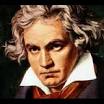
Unpacking Ludwig Van Beethoven's Concerto No. 5 "emperor"
Concerto No. 5 "emperor"- Album Overview
Ludwig Van Beethoven's "Concerto No. 5 in E-flat major, Op. 73," commonly referred to as the "Emperor Concerto," was composed between 1809 and 1811 and premiered in 1811. This monumental work stands as Beethoven's last piano concerto and is considered one of the crowning achievements of the classical concerto repertoire. The piece was published by the renowned Viennese publisher, Artaria, and has since been recorded numerous times by various orchestras and pianists, becoming a staple in concert halls worldwide.
The "Emperor Concerto" is structured in three movements: Allegro, Adagio un poco mosso, and Rondo: Allegro. Notably, the first movement is characterized by its grand orchestral introduction, leading to the piano's majestic entrance, which embodies the spirit of the concerto. Beethoven's innovative use of the piano and orchestra creates a dialogue that showcases both the virtuosity of the pianist and the lush textures of the orchestral accompaniment.
This concerto reflects the cultural and artistic shifts of its time, embodying the transition from the Classical to the Romantic era. Beethoven's work was influenced by the socio-political climate of early 19th century Europe, notably the Napoleonic Wars, which may have inspired the grandiosity and heroism present in the piece. The "Emperor Concerto" has been recorded by numerous esteemed artists, including Wilhelm Kempff, Artur Rubinstein, and more recently, Yefim Bronfman and Martha Argerich, each bringing their unique interpretation to the work.
Overall, the "Emperor Concerto" is not only a testament to Beethoven's genius but also a reflection of the era's cultural dynamics, making it a significant piece in the classical music canon.
Review
The "Emperor Concerto" is a sonic tapestry that weaves together bold orchestral passages with intricate piano lines. The opening Allegro bursts forth with a sense of triumph and grandeur, setting the stage for a concerto that is both powerful and introspective. Beethoven's ability to balance orchestral richness with the delicate nuances of the piano is masterful, allowing for an interplay that draws the listener into a dynamic conversation between the two forces.
The Adagio, with its serene and lyrical melodies, offers a moment of reflection within the concerto. This movement showcases Beethoven's lyrical gift, creating a space for emotional depth that contrasts with the vigorous outer movements. The Rondo brings the concerto to a jubilant conclusion, bursting with rhythmic vitality and thematic complexity, encapsulating the triumph of the human spirit.
Overall, the "Emperor Concerto" is not merely a display of technical skill but an emotional journey that resonates with audiences across generations. Beethoven's visionary artistry continues to inspire, making this concerto a timeless classic.
Highlights
- The majestic orchestral introduction that sets a grand tone.
- The lyrical beauty of the second movement, showcasing emotional depth.
- The lively and vibrant finale that celebrates triumph and joy.
Weak points
- The complexity of the score may challenge less experienced performers.
- Some interpretations may lean too heavily on sentimentality, overshadowing the work's structural brilliance.
- The length of the concerto can test audience patience in certain performances.
Overall evaluation
The "Emperor Concerto" remains a monumental work in the classical repertoire, showcasing Beethoven's innovative spirit and emotional depth. Its blend of grandeur and intimacy continues to captivate audiences today.
Personal rating: 10/10 1972Symphony No. 9