ALBUM NOTESLudwig Van Beethoven – Fidelio: a sonic journey
Fidelio- Album Overview
Fidelio, Ludwig van Beethoven's only opera, was composed in its final form in 1814-1816 and premiered in Vienna at the Theater an der Wien on May 23, 1814. The opera is a profound tale of love, freedom, and heroism, rooted in the ideals of the Enlightenment. The work underwent several revisions before reaching its definitive version, reflecting Beethoven's persistent pursuit of artistic excellence. The opera is structured in two acts and features a rich orchestral score that combines elements of both classical and romantic styles.
Fidelio was produced under the auspices of the Viennese theater community and published by the renowned music publisher, Schott Music. The opera features prominent arias such as "Abscheulicher! Wo eilst du hin?" and the well-known duet "Mir ist so wunderbar", showcasing Beethoven’s ability to convey deep emotion through music. The opera’s central themes of justice and the triumph of love over tyranny resonate strongly within the socio-political context of early 19th-century Europe.
Throughout its history, Fidelio has been performed by various esteemed opera companies worldwide, cementing its status as a cornerstone of the operatic repertoire. The opera has inspired countless adaptations and remains a powerful statement on human rights and dignity. Notably, it has been recorded by numerous artists, with interpretations varying widely, reflecting its enduring relevance and adaptability across different musical eras.
Review
Beethoven's Fidelio is a remarkable blend of orchestral brilliance and vocal prowess, showcasing the composer’s innovative spirit. The music is characterized by its dramatic intensity and lyrical beauty, with the orchestration deftly supporting the vocal lines. The overture sets the stage with a sense of urgency and longing, encapsulating the opera's core themes.
The libretto, written by Joseph Sonnleithner and later revised by Beethoven, delivers a compelling narrative that is both poignant and thought-provoking. The characters are richly developed, particularly the heroine Leonore, whose determination to rescue her husband, Florestan, from political imprisonment drives the emotional core of the opera. Beethoven’s ability to convey the depth of their relationship through music is both moving and powerful.
Fidelio’s artistic vision is not only a reflection of Beethoven's personal struggles but also a broader commentary on freedom and the human spirit. The opera’s incorporation of choral elements emphasizes unity and collective strength, further enhancing its cultural significance.
Highlights
- Profound emotional depth conveyed through music and lyrics.
- Rich orchestration that enhances the dramatic narrative.
- Timeless themes of love and freedom that resonate with audiences today.
Weak points
- Some may find the pacing of the first act slow compared to the second.
- The complexity of the libretto can be challenging for contemporary audiences.
- Limited popularity compared to other operatic masterpieces, affecting its performance frequency.
Overall evaluation
Fidelio stands as a monumental work in the operatic canon, showcasing Beethoven's genius in marrying music with a powerful narrative. Its exploration of freedom and love continues to resonate profoundly.
Personal rating: 9/10


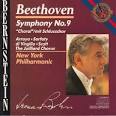 1972Symphony No. 9