
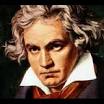
Violin Concerto by Ludwig Van Beethoven: expectations vs reality
Violin Concerto- Album Overview
The Violin Concerto in D major, Op. 61, is one of Ludwig van Beethoven's most celebrated works and a cornerstone of the violin repertoire. Composed in 1806 and first performed in 1808, the concerto was initially met with mixed reviews, largely due to its departure from the more flamboyant concertos of the time and its introspective qualities. The concerto is structured in three movements: Allegro moderato, Adagio, and Rondo: Allegro. Its premiere was conducted by Beethoven himself, featuring the violinist Franz Clement, who was a prominent figure in the Viennese music scene. The piece was published by the renowned Viennese publisher, Artaria, and has since been recorded by numerous artists, solidifying its status in classical music history. The Violin Concerto showcases Beethoven's innovative orchestration and the expressive capabilities of the violin, blending lyrical melodies with technical demands. Throughout the 19th century, the concerto gained popularity as performers such as Joseph Joachim and Pablo de Sarasate brought it to wider audiences. Its significance extends beyond its musicality; it represents a shift in the concerto form, emphasizing the dialogue between the soloist and the orchestra, rather than showcasing mere virtuosity. The concerto has become a staple in the repertoire of violinists, and its enduring appeal has led to countless interpretations, ensuring that Beethoven's influence on the violin continues to resonate in contemporary classical music.
Review
The Violin Concerto reveals Beethoven's genius in both form and emotional depth. From the opening Allegro moderato, listeners are drawn into a world of rich orchestral textures and haunting melodies. The solo violin enters with an elegant theme, immediately establishing a dialogue with the orchestra that is both conversational and dramatic. This movement stands out for its lyrical quality, marking a departure from the bombastic style typical of earlier concertos. The Adagio movement offers a contemplative respite, allowing the soloist to showcase emotional nuance and technical finesse. It is a masterclass in expressive playing, as the violin weaves through melodic lines that speak directly to the soul. The final Rondo movement, with its lively and playful character, serves as a triumphant conclusion, allowing for a brilliant display of virtuosity. While the concerto's structure and musical language might challenge some listeners accustomed to more traditional forms, it rewards those who engage deeply with its subtleties. Beethoven's artistic vision in this work transcends the expectations of his time, blending classical forms with romantic expression, and solidifying his legacy as a composer who pushed boundaries.
Highlights
- Rich orchestration and intricate dialogue between the solo violin and orchestra.
- Emotional depth showcased in the Adagio movement.
- Innovative structure that paved the way for future concertos.
Weak points
- Initial mixed reception may deter some modern listeners.
- Complexity might be challenging for novice classical music enthusiasts.
- Less flamboyant than other concertos of the era, possibly lacking immediate appeal.
Overall evaluation
Beethoven's Violin Concerto stands as a monumental achievement in classical music, merging technical brilliance with profound emotional expression. Its historical significance and continued relevance in the violin repertoire make it an essential listening experience for both seasoned classical aficionados and new listeners alike.
Personal rating: 9/10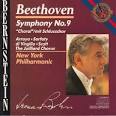 1972Symphony No. 9