
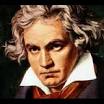
Check the vibes: Ludwig Van Beethoven – Klavierkonzert No. 5 Es-dur Op. 73
Klavierkonzert No. 5 Es-dur Op. 73- Album Overview
Ludwig Van Beethoven's "Klavierkonzert No. 5 in E-flat major, Op. 73," commonly known as the "Emperor Concerto," was composed between 1809 and 1811 and premiered in 1811 in Leipzig. This monumental piece is one of Beethoven's most celebrated piano concertos and stands as a testament to his innovative approach to the concerto form. Released by various record labels over the years, its most revered interpretations include those by renowned orchestras and pianists, such as the Berlin Philharmonic under Herbert von Karajan and the legendary Artur Rubinstein.
The concerto consists of three movements: Allegro, Adagio un poco mosso, and Rondo: Allegro. Its grandeur and lyrical beauty reflect the transition from the classical to the romantic era. The first movement opens with a majestic orchestral introduction, setting the stage for the piano's powerful entrance, which is characterized by its bold, heroic themes. The slow second movement provides a contrasting lyrical depth, while the final Rondo bursts with exuberance and vitality, encapsulating the joy of Beethoven's creative spirit.
The "Emperor Concerto" is not just a showcase of virtuosity; it embodies the cultural shifts of its time, blending classical traditions with emerging romantic sensibilities. Its historical importance is underscored by its frequent performances and recordings, influencing generations of musicians and composers. This concerto remains a staple of the classical repertoire, celebrated for its emotional depth and technical brilliance.
Review
The "Emperor Concerto" is a masterclass in orchestration and piano technique, showcasing Beethoven's ability to merge the piano's intimate voice with the power of the orchestra. The piece's opening movement is a stirring dialogue between piano and orchestra that invites listeners into a world of grandeur and emotion. The pianist's role is not merely to embellish but to engage in a musical conversation with the orchestra, creating a dynamic interplay that is both exhilarating and profound.
The lyrical second movement, with its plaintive melodies, highlights Beethoven's romantic sensibilities, offering a moment of introspection amidst the concerto's grandeur. Here, the piano's voice becomes a poignant reflection, drawing listeners into a serene emotional landscape. The final Rondo bursts forth with jubilance, encapsulating the essence of Beethoven's innovative spirit—a celebration of life, creativity, and the human experience.
Overall, the "Emperor Concerto" exemplifies Beethoven's ability to transcend his time, creating music that resonates with audiences across centuries. It is a thrilling experience that combines technical prowess with deep emotional resonance, solidifying its place as one of the cornerstones of classical music.
Highlights
- Majestic orchestral introduction that sets an epic tone.
- Emotional depth in the Adagio movement, showcasing Beethoven's lyrical genius.
- Exuberant finale that celebrates joy and creativity.
Weak points
- Some may find the length of the concerto daunting compared to other classical works.
- A few interpretations may lack the emotional nuance of the best performances.
- The grandeur may overshadow intimate details in less skilled renditions.
Overall evaluation
"Klavierkonzert No. 5" is a monumental work that showcases Beethoven's brilliance, creativity, and emotional depth. It remains a pivotal piece in classical music, continually inspiring and captivating audiences worldwide.
Personal rating: 9/10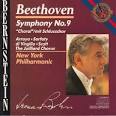 1972Symphony No. 9