
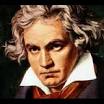
Concerto No. 5 For Piano And Orchestra: discovering Ludwig Van Beethoven's artistry
Concerto No. 5 For Piano And Orchestra- Album Overview
Ludwig van Beethoven's "Concerto No. 5 for Piano and Orchestra," also known as the "Emperor Concerto," was composed between 1809 and 1811 and is widely regarded as one of the pinnacles of the piano concerto repertoire. The work was published in 1812 and is characterized by its grand scale and innovative orchestration. The concerto is structured in three movements: Allegro, Adagio un poco mosso, and Rondo: Allegro. The "Emperor" title, attributed posthumously, reflects the work's majestic and heroic qualities.
This concerto showcases Beethoven's ability to blend the virtuosity of the piano with the power of the orchestra, a hallmark of his compositional style during the late Classical and early Romantic periods. The first movement opens boldly with a powerful orchestral introduction before transitioning to the piano's lyrical and dynamic passages. The serene second movement offers a contrasting lyrical depth, while the exuberant finale culminates in a celebratory spirit.
Various esteemed orchestras and pianists have recorded this concerto over the years, contributing to its lasting popularity. Notable recordings include those by legendary pianists such as Artur Rubinstein, Maurizio Pollini, and Alfred Brendel, each bringing their unique interpretation to the piece. The concerto's cultural significance is immense, as it reflects the transition in music from the Classical traditions of Mozart and Haydn to the more expressive styles of the Romantic era, influencing countless composers and musicians that followed.
Review
The "Concerto No. 5 for Piano and Orchestra" stands as a testament to Beethoven's innovative spirit and profound artistry. The interplay between the piano and the orchestra is masterfully crafted, creating a dialogue that is both engaging and awe-inspiring. The opening Allegro is marked by dramatic contrasts, with the piano's soaring melodies juxtaposed against the orchestra's rich harmonic textures. The Adagio, often considered one of Beethoven's most beautiful slow movements, showcases a deep emotional resonance, inviting the listener into a world of introspection and serenity.
The final Rondo bursts forth with exuberance, highlighting Beethoven's playful yet grand compositional style. The work not only showcases technical brilliance but also embodies a sense of triumph and celebration, which resonates with audiences across generations. The artistry in this concerto lies in Beethoven's ability to convey a range of emotions—from introspection to exuberance—within a cohesive and powerful structure, making it a definitive work in the classical canon.
Highlights
- Innovative orchestration that seamlessly blends piano and orchestra.
- Emotional depth, especially in the second movement.
- Grand scale and celebratory nature of the finale.
Weak points
- Some may find the length of the concerto daunting.
- The complexity of the piano parts may overwhelm less experienced musicians.
- Its popularity might overshadow other lesser-known works by Beethoven.
Overall evaluation
Beethoven's "Concerto No. 5 for Piano and Orchestra" is a monumental work that encapsulates the essence of his genius, blending technical mastery with profound emotional expression. Its enduring appeal continues to captivate audiences and performers alike.
Personal rating: 9/10 1972Symphony No. 9