
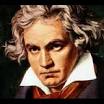
Ludwig Van Beethoven – Piano Concerto No. 3 In C Minor, Op. 37: track-by-track perspective
Piano Concerto No. 3 In C Minor, Op. 37- Album Overview
Ludwig Van Beethoven's Piano Concerto No. 3 in C minor, Op. 37, was composed between 1800 and 1803 and premiered in 1803 in Vienna, with Beethoven himself as the soloist. This work, characterized by its dramatic intensity and lyrical passages, marks a significant evolution in the concerto form, bridging the Classical and Romantic eras. Released under various labels over the years, the concerto has been recorded numerous times, with notable performances by acclaimed orchestras and pianists. The concerto features three movements: Allegro con brio, Largo, and Rondo: Allegro, each showcasing Beethoven's innovative approach to piano and orchestral interplay.
This concerto is often celebrated for its bold expressions and technical demands on the pianist. It represents Beethoven's increasing confidence in his compositional style, highlighting a shift from the conventional structures of his predecessors, such as Mozart and Haydn. The work's emotional depth and complexity have made it a staple in the repertoires of many pianists and orchestras around the world. It has been featured in numerous concert programs and recordings, solidifying its place in the classical canon. The concerto not only showcases Beethoven's genius but also reflects the cultural shifts of its time, as it captures the spirit of the early 19th century with its dramatic contrasts and profound expressiveness.
Review
The Piano Concerto No. 3 is a stunning embodiment of Beethoven's artistic vision. The opening movement, Allegro con brio, bursts forth with a sense of urgency and power, setting the stage for a dialogue between the piano and the orchestra that is both intimate and grand. The solo piano's assertive motifs are skillfully woven into the orchestral fabric, creating a rich tapestry of sound that captivates the listener. The Largo, in contrast, offers a moment of serene introspection, with its lush harmonies and lyrical melodies inviting a deep emotional response. The final movement, Rondo: Allegro, brings a jubilant energy that showcases the pianist’s technical prowess, culminating in a thrilling conclusion that leaves the audience breathless. Overall, the concerto's progression from turmoil to resolution mirrors Beethoven's own struggles and triumphs, making it not just a musical work, but a narrative of human experience.
Highlights
- The dynamic contrast between the solo piano and orchestra adds depth and excitement to the performance.
- The emotional range displayed, particularly in the Largo, demonstrates Beethoven's ability to evoke profound feelings.
- The technical demands on the pianist are well-balanced with lyrical passages, making it a rewarding experience for both performer and listener.
Weak points
- The complexity of the score may present challenges for less experienced pianists, potentially limiting accessibility.
- Some interpretations can be overly dramatic, losing the subtlety inherent in the music.
- The length of the concerto may test the attention span of casual listeners unfamiliar with classical music.
Overall evaluation
Ludwig Van Beethoven's Piano Concerto No. 3 in C minor, Op. 37 is a vital piece that encapsulates the transition from Classical to Romantic music. Its innovative structure, emotional depth, and technical demands solidify its status as a masterpiece in the classical repertoire.
Personal rating: 9/10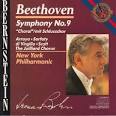 1972Symphony No. 9