Biography
Ludwig Van Beethoven: history and sound
The Legendary Music of Ludwig Van Beethoven
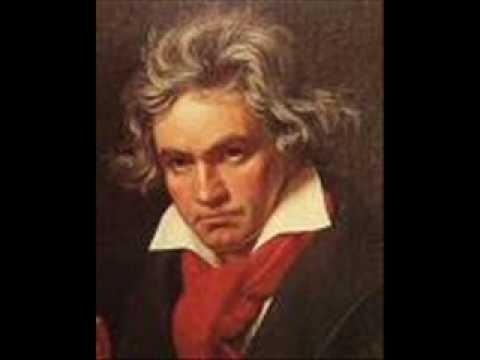
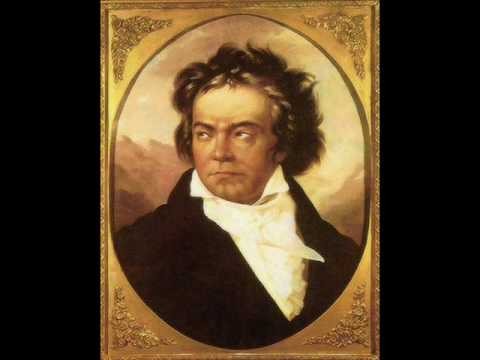
Ludwig Van Beethoven, the German composer, born in December 1770, is one of the most influential figures in classical music history. He had an enormous impact on the genre through his innovation, blending of classical and romantic styles, and revolutionary compositions. His legendary music has transcended time and still holds a dominant position in modern music. In this article, we will discuss his musical biography, best songs, music genre, famous concerts, and a critique.
Musical Biography
Beethoven had a challenging childhood. He was the second youngest of seven children born to Johann and Maria Magdalena. Johann was a professional musician, but his father's alcoholism and poor management lead to financial instability. Beethoven's musical education began at an early age under his father, but later he was taught by prominent musical figures such as Christian Gottlob Neefe and Joseph Haydn. In 1800, he started to lose his hearing, which began to affect his career. Still, he refused to give up his passion for music and composed some of his most iconic works, such as his Ninth Symphony, which he wrote and conducted by memory after becoming entirely deaf. Beethoven passed away on March 1827 at the age of 56, leaving behind an enormous musical legacy.
Music Genre
Beethoven was a versatile composer who experimented with many musical genres. His versatile work includes symphonies, sonatas, concertos, and chamber music. He was the pioneer of the Romantic Movement, and his music style was characterized by intense emotions, revolutionary ideas, and dramatic scores. He was particularly known for his innovations in the symphony, using new musical techniques to push the boundaries of the form.
Best Songs
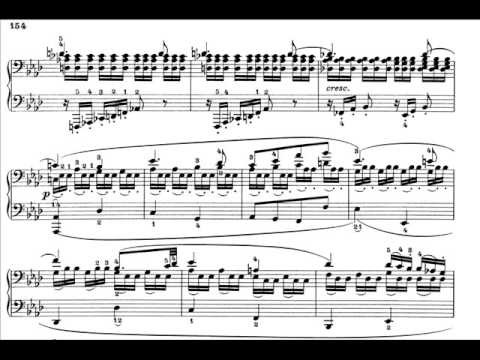
Beethoven's music continues to be famous even after centuries, comprising timeless compositions. Most of his work is known to have been remarkable, but some may stand out among them, like his Ninth Symphony, Kreutzer Sonata, Moonlight Sonata, and Piano Sonata No. 14, commonly known as the Moonlight Sonata, Symphony No.3 or Eroica, Symphony No. 5, originally written over 200 years ago, and even now it has the power to bring people together. It has been widely showcased over the years by various popular mediums showcasing popular music, movies, and more.
Famous Concerts
Beethoven revolutionized the way classical music concerts were performed, making them more extended, grand, and constructively dramatic. In December of 1808, Beethoven was strained and composed heroic works that remain a definitive monument of classical music. This concert feature pieces like the first performances of his Symphony No. 5, his Piano Concerto No. 4, Fantasy for Piano, Chorus and Orchestra, and an improvised Choral Fantasy. Unfortunately, the concert did not earn him the recognition he deserved; eventually, it became one of the most talked-about concerts in classical music history.
Critique
Beethoven is considered one of the most influential classical music composers of all time, and his work has been analyzed and critiqued by experts around the world. Critics refer to his music as a highly personal expression of the human spirit. One of the most pioneering critiques was by Richard Wagner. He titled Beethoven a musical Titan, a Titan wrestled with the Gods. He argued that Beethoven's music had a fundamental transformational effect on what was accepted in Western music.
In conclusion, Ludwig Van Beethoven's music remains widely revered and appreciates centuries after his passing. He was a composer of extraordinary talent and passion, who innovated classical music by pushing its boundaries, inspiring all other composers who came after him. His compositions continue to thrive today in performances representing classical and romantic music, including film scores, pop songs, and symphonies. Only the true music enthusiasts can appreciate his unpredictable arrangements and a remarkable outpouring of creative energy that produced some of the most masterful music the world has ever heard.
Ludwig Van Beethoven, the German composer, born in December 1770, is one of the most influential figures in classical music history. He had an enormous impact on the genre through his innovation, blending of classical and romantic styles, and revolutionary compositions. His legendary music has transcended time and still holds a dominant position in modern music. In this article, we will discuss his musical biography, best songs, music genre, famous concerts, and a critique.
Musical Biography
Beethoven had a challenging childhood. He was the second youngest of seven children born to Johann and Maria Magdalena. Johann was a professional musician, but his father's alcoholism and poor management lead to financial instability. Beethoven's musical education began at an early age under his father, but later he was taught by prominent musical figures such as Christian Gottlob Neefe and Joseph Haydn. In 1800, he started to lose his hearing, which began to affect his career. Still, he refused to give up his passion for music and composed some of his most iconic works, such as his Ninth Symphony, which he wrote and conducted by memory after becoming entirely deaf. Beethoven passed away on March 1827 at the age of 56, leaving behind an enormous musical legacy.
Music Genre
Beethoven was a versatile composer who experimented with many musical genres. His versatile work includes symphonies, sonatas, concertos, and chamber music. He was the pioneer of the Romantic Movement, and his music style was characterized by intense emotions, revolutionary ideas, and dramatic scores. He was particularly known for his innovations in the symphony, using new musical techniques to push the boundaries of the form.
Best Songs
Beethoven's music continues to be famous even after centuries, comprising timeless compositions. Most of his work is known to have been remarkable, but some may stand out among them, like his Ninth Symphony, Kreutzer Sonata, Moonlight Sonata, and Piano Sonata No. 14, commonly known as the Moonlight Sonata, Symphony No.3 or Eroica, Symphony No. 5, originally written over 200 years ago, and even now it has the power to bring people together. It has been widely showcased over the years by various popular mediums showcasing popular music, movies, and more.
Famous Concerts
Beethoven revolutionized the way classical music concerts were performed, making them more extended, grand, and constructively dramatic. In December of 1808, Beethoven was strained and composed heroic works that remain a definitive monument of classical music. This concert feature pieces like the first performances of his Symphony No. 5, his Piano Concerto No. 4, Fantasy for Piano, Chorus and Orchestra, and an improvised Choral Fantasy. Unfortunately, the concert did not earn him the recognition he deserved; eventually, it became one of the most talked-about concerts in classical music history.
Critique
Beethoven is considered one of the most influential classical music composers of all time, and his work has been analyzed and critiqued by experts around the world. Critics refer to his music as a highly personal expression of the human spirit. One of the most pioneering critiques was by Richard Wagner. He titled Beethoven a musical Titan, a Titan wrestled with the Gods. He argued that Beethoven's music had a fundamental transformational effect on what was accepted in Western music.
In conclusion, Ludwig Van Beethoven's music remains widely revered and appreciates centuries after his passing. He was a composer of extraordinary talent and passion, who innovated classical music by pushing its boundaries, inspiring all other composers who came after him. His compositions continue to thrive today in performances representing classical and romantic music, including film scores, pop songs, and symphonies. Only the true music enthusiasts can appreciate his unpredictable arrangements and a remarkable outpouring of creative energy that produced some of the most masterful music the world has ever heard.