
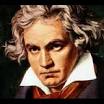
The evolution of Ludwig Van Beethoven in Piano Concerto No. 1 In C, Op. 15 / Piano Concerto
Piano Concerto No. 1 In C, Op. 15 / Piano Concerto- Album Overview
The Piano Concerto No. 1 in C, Op. 15 was composed by Ludwig van Beethoven between 1795 and 1798, signifying a pivotal moment in the evolution of the piano concerto as a form. This work was premiered in 1798 in Vienna, showcasing Beethoven's innovative approach to classical music, blending the traditions established by Mozart and Haydn with his unique voice. The concerto is characterized by its vibrant orchestration, intricate piano parts, and the emotional depth that would come to define Beethoven’s later works.
This album typically features the concerto in its entirety, often paired with other piano works by Beethoven or contemporaneous composers. The recording often highlights collaborations with esteemed orchestras and conductors, bringing to life the work’s dynamic contrasts and lyrical themes. Various labels have released this concerto, with numerous interpretations available, each offering a different perspective on Beethoven’s intent. The concerto consists of three movements: the lively Allegro con brio, the lyrical Largo, and the energetic Rondo: Allegro. It is significant not only for its technical demands but also for its exploration of character and emotional range, setting the stage for Beethoven's subsequent piano concertos.
The Piano Concerto No. 1 is often celebrated for its ability to bridge the gap between the Classical and Romantic eras, allowing listeners to witness Beethoven's transition from an adherent of established forms to a revolutionary in his own right. The work remains a staple in concert repertoires, illustrating its enduring relevance in the classical music canon.
Review
The sound of Beethoven's Piano Concerto No. 1 is a compelling tapestry of contrasting emotions and technical prowess. The piano takes center stage, with the orchestration providing a rich backdrop that enhances the soloist's performance. The Allegro con brio opens with a bold flourish, immediately engaging the listener, while the Largo offers a moment of introspection, showcasing Beethoven's lyrical gift. The Rondo concludes the concerto with a spirited and jubilant energy that celebrates the triumph of the human spirit.
What stands out in various performances is the balance between the piano and the orchestra. The artistry of the soloist—be it a seasoned virtuoso or an emerging talent—can dramatically influence the interpretation of the piece. Beethoven's artistic vision is palpable throughout, as he navigates complex emotions and showcases technical virtuosity, making it a fascinating study in form and expression. Each movement reveals layers of innovation that reflect Beethoven's evolving style and the broader cultural shifts of his time.
Highlights
- Vibrant orchestration that enhances the piano's expressiveness.
- The emotional depth of the Largo movement is particularly striking.
- Energetic and engaging Rondo that leaves a lasting impression.
Weak points
- Some interpretations may lack the vibrancy that Beethoven intended.
- The technical demands may overshadow emotional expression in less experienced performances.
- Occasional over-reliance on traditional interpretations might limit innovative approaches.
Overall evaluation
Beethoven's Piano Concerto No. 1 in C, Op. 15 remains a cornerstone of the piano concerto repertoire, showcasing his early genius and foreshadowing his later masterpieces. It is a work that continues to resonate with audiences and performers alike, illustrating the composer’s profound impact on classical music.
Personal rating: 9/10 1972Symphony No. 9