
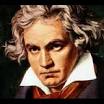
The evolution of Ludwig Van Beethoven in Violin Concerto
Violin Concerto- Album Overview
Ludwig Van Beethoven's Violin Concerto in D major, Op. 61, was composed in 1806 and is one of the most significant works in the violin repertoire. The concerto marks a pivotal moment in Beethoven's evolution as a composer, showcasing his transition from the classical traditions of his predecessors to a more personal and expressive style. The concerto was dedicated to the celebrated violinist Franz Clement, who premiered the work in Vienna on December 23, 1806. The performance was initially met with mixed reviews; however, it has since gained recognition as a monumental work that has influenced countless violinists and composers.
Recorded and released in various formats over the years, the Violin Concerto has been featured by numerous record labels, including Deutsche Grammophon and EMI. Notable recordings include performances by legendary violinists such as Jascha Heifetz, Itzhak Perlman, and Anne-Sophie Mutter, each bringing their unique interpretations to this timeless piece. The concerto consists of three movements: Allegro moderato, Larghetto, and Rondo: Allegro, combining lyrical melodies with intricate technical passages that challenge even the most skilled musicians.
Musically, the Violin Concerto stands out for its orchestration and the way it allows the solo violin to engage in a dialogue with the orchestra. This work not only exemplifies Beethoven's innovative spirit but also reflects the cultural shifts of the early 19th century, as it moved away from the strict forms of the Classical era toward the emotional expression characteristic of the Romantic period. The Violin Concerto remains a staple in concert halls worldwide, continuously inspiring new generations of musicians and audiences alike.
Review
Beethoven's Violin Concerto is a masterclass in the art of orchestration and thematic development. The opening movement is a grand statement, blending the violin's soaring lines with the rich tapestry of the orchestra, creating an atmospheric depth that draws the listener in. The second movement, Larghetto, is particularly poignant, featuring a beautiful, flowing melody that showcases the violin's expressive capabilities. Here, Beethoven's capacity to evoke emotion is on full display, making it a favorite among both performers and audiences.
The final movement, Rondo: Allegro, brings a jubilant conclusion to the work, with its lively themes and rhythmic vitality, allowing the soloist to demonstrate technical prowess while engaging with the orchestra in a playful yet sophisticated manner. Overall, the Violin Concerto exemplifies Beethoven's artistic vision, marrying classical form with a new sense of individual expression that would come to define much of the Romantic era.
Highlights
- Stunning orchestration that allows for a rich dialogue between the solo violin and the orchestra.
- Emotionally charged melodies that resonate deeply with audiences.
- A landmark work that bridges the Classical and Romantic musical periods.
Weak points
- Initial performances received mixed reviews, indicating its challenging nature for both performers and audiences.
- Some listeners may find the length of the piece daunting, particularly the expansive first movement.
- Not all recordings capture the full emotional depth intended by Beethoven, depending on the interpreter.
Overall evaluation
Beethoven's Violin Concerto is an essential work in the classical violin repertoire, showcasing the composer's innovative spirit and emotional depth. Its lasting impact on music and culture is undeniable, making it a must-listen for any classical music enthusiast.
Personal rating: 9/10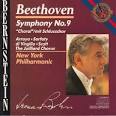 1972Symphony No. 9