
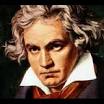
Inside Trios For Violin, Viola And Violoncello, Op. 9, 1- by Ludwig Van Beethoven
Trios For Violin, Viola And Violoncello, Op. 9, 1-- Album Overview
Ludwig van Beethoven's "Trios for Violin, Viola and Violoncello, Op. 9, No. 1" was composed between 1797 and 1798, marking one of his early forays into chamber music. The work demonstrates Beethoven's innovative approach and mastery of ensemble writing, reflecting the transition from the Classical to the Romantic era. The trio is comprised of four movements: Allegro, Adagio, Scherzo, and Allegro, all showcasing the interplay between the three instruments.
This particular trio was first published in 1801 by the renowned Viennese publisher Artaria. Beethoven's Op. 9 trios are significant as they were among his first compositions to be published and helped establish his reputation as a composer in Vienna. The blend of lyrical melodies and intricate counterpoint in this piece reveals Beethoven's evolving style and his ability to push the boundaries of traditional forms.
The ensemble typically features a violin, viola, and cello, with each instrument contributing to the rich texture of the music. Various recordings have been produced over the years, showcasing the trio's lasting appeal and importance in the chamber music repertoire. Notable performances include interpretations by prestigious ensembles such as the Emerson String Quartet and the Beaux Arts Trio, each bringing their unique flair to Beethoven's work. The cultural significance of Op. 9, No. 1 lies in its role as a bridge between classical traditions and the expressive possibilities that would define later Romantic music.
Review
The "Trios for Violin, Viola and Violoncello, Op. 9, No. 1" presents a captivating blend of elegance and emotional depth, characteristic of Beethoven's early style. The sound is rich and layered, with the violin often leading the melodic line while the viola and cello provide harmonic support and counterpoint. The first movement, Allegro, is marked by a spirited dialogue among the instruments, showcasing Beethoven's gift for thematic development and variation.
The slower second movement, Adagio, offers a contemplative contrast, revealing a more introspective side of Beethoven’s musical personality. The Scherzo provides a playful, dynamic interlude filled with rhythmic vitality, leading into the final movement's exuberant Allegro, which encapsulates the overall joy and complexity of the trio. Each movement flows seamlessly into the next, demonstrating Beethoven's masterful structural cohesion.
Overall, this work reflects a key moment in the evolution of chamber music, showcasing Beethoven's ability to combine formal elegance with emotional expressiveness, making it a timeless piece that continues to resonate with audiences and performers alike.
Highlights
- Intricate interplay between violin, viola, and cello.
- Emotional depth and thematic development throughout the movements.
- Significant contribution to the chamber music repertoire, showcasing Beethoven's early genius.
Weak points
- Some may find the classical structure somewhat rigid compared to later Romantic works.
- The historical context may make it less accessible to casual listeners unfamiliar with classical music.
- Occasional sections might feel less engaging compared to Beethoven's more mature compositions.
Overall evaluation
Beethoven's "Trios for Violin, Viola and Violoncello, Op. 9, No. 1" is a remarkable work that illustrates his early compositional prowess and the transition from classical to romantic expression. Its intricate structure and emotional range make it a significant addition to the chamber music canon.
Personal rating: 8/10 1972Symphony No. 9