
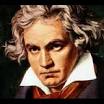
The Best Of Beethoven by Ludwig Van Beethoven: expectations vs reality
The Best Of Beethoven- Album Overview
"The Best Of Beethoven" is a compilation album that features some of the most celebrated works of the composer Ludwig van Beethoven, who lived from 1770 to 1827. While the exact release year of this particular compilation can vary by label and edition, many of these collections emerged prominently in the late 20th century as interest in classical music surged. The album is typically released under various classical music labels such as Deutsche Grammophon or Naxos, allowing listeners to experience Beethoven's genius through curated selections.
Beethoven, a pivotal figure in Western classical music, is renowned for his symphonies, sonatas, and string quartets, which reflect the transition from the Classical to the Romantic era. The compilation often includes iconic pieces such as "Symphony No. 5," "Symphony No. 9," and "Moonlight Sonata," showcasing his innovative approach to composition and emotional depth. The recordings are usually performed by esteemed orchestras and soloists, providing a high-quality listening experience that aims to capture the essence of Beethoven's artistry.
This album also serves as a cultural touchstone, introducing new generations to classical music and highlighting Beethoven's enduring influence on composers and musicians. As a result, it is not uncommon for the album to contain notes on the historical context of the works included, enhancing the listener's appreciation. The album represents a blend of musical heritage and modern accessibility, often being used in educational settings to illustrate Beethoven's impact on music history.
Review
Expectations for "The Best Of Beethoven" are typically high, given the composer's legendary status. The album successfully meets these expectations by providing a well-rounded selection of his most famous pieces. The sound quality is often exceptional, thanks to advancements in recording technology that allow for a rich, vibrant listening experience. Each piece is performed with a level of precision and passion that brings Beethoven's complex emotions to life, making it an ideal introduction for newcomers to classical music.
However, the reality of such compilations can sometimes fall short for purists who prefer complete symphonies or original performances in their entirety. The brevity of selections may leave listeners wanting more, as the intricacies of Beethoven's work are often best experienced in full-length form. Additionally, while the album serves as a great overview, it may not delve deeply enough into the nuances of Beethoven's compositional style, which can be a drawback for serious aficionados.
Highlights
- Exceptional sound quality that enhances the listening experience.
- A well-curated selection of Beethoven's most iconic works.
- Accessible for both classical music novices and seasoned listeners.
Weak points
- Some compositions are presented in truncated formats, lacking full context.
- May not satisfy purists seeking complete symphonic experiences.
- Limited exploration of Beethoven's lesser-known works, which are equally significant.
Overall evaluation
"The Best Of Beethoven" is a commendable compilation that successfully introduces listeners to the genius of Beethoven. While it may not satisfy every classical music enthusiast's cravings for depth and completeness, it serves as a valuable resource for those looking to appreciate the composer’s most celebrated pieces.
Personal rating: 7/10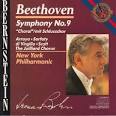 1972Symphony No. 9