
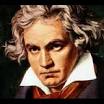
Ludwig Van Beethoven raises the bar with Werke Für Flöte Und Klavier
Werke Für Flöte Und Klavier- Album Overview
"Werke Für Flöte Und Klavier," a collection of chamber music by Ludwig Van Beethoven, showcases the composer’s innovative spirit and mastery of musical form. These works, primarily composed during the late 18th and early 19th centuries, reflect Beethoven's evolution as a composer and his increasing departure from the classical traditions established by his predecessors. The album includes several significant pieces such as the "Sonata for Flute and Piano in D Major, Op. 14, No. 1" and the "Sonata for Flute and Piano in E-flat Major, Op. 27, No. 1," both of which highlight the delicate interplay between the flute and piano, showcasing their contrasting yet complementary qualities. The recording features notable performers adept at bringing these intricate works to life, with a focus on clarity and emotion. The album was released under various labels throughout the years as part of the broader effort to preserve and celebrate Beethoven's contributions to classical music. The significance of these pieces lies not only in their melodic and harmonic richness but also in their historical context, marking a transition in the Classical style towards the more expressive Romantic period. While the exact release year of each recording may vary, the compositions themselves date back to the early 1800s, reflecting a time when Beethoven was deeply engaged in exploring new musical ideas and forms. The album serves as a testament to Beethoven's ability to blend technical proficiency with profound emotional expression, making it a must-listen for both classical aficionados and newcomers alike.
Review
The soundscape of "Werke Für Flöte Und Klavier" is characterized by a remarkable balance between the flute and piano, each instrument lending its own voice to the overall harmony. Beethoven’s compositions, with their intricate melodies and harmonies, create a tapestry of sound that invites listeners to immerse themselves in the rich textures of the music. The artistic vision behind these works is apparent, as Beethoven skillfully intertwines the lyrical qualities of the flute with the more robust and rhythmic aspects of the piano, resulting in a conversation between the two instruments that feels both intimate and grand in scope. The emotional depth of the pieces is palpable, as Beethoven deftly navigates a spectrum of moods, from the playful and lively to the introspective and somber. The technical proficiency required from the performers is noteworthy, with each note resonating with clarity and purpose. The album encapsulates the essence of Beethoven's genius, allowing listeners to appreciate the complexity and beauty of his music while also recognizing its profound cultural significance as a bridge between the Classical and Romantic eras.
Highlights
- Exceptional interplay between flute and piano, highlighting Beethoven's compositional genius.
- Rich emotional expression that resonates deeply with listeners.
- Significant historical context that showcases Beethoven's evolution as a composer.
Weak points
- Some listeners may find the classical style less accessible compared to contemporary genres.
- The album may not include some of Beethoven's more famous works, which could limit its appeal.
- Variations in the quality of recordings from different labels can affect the listening experience.
Overall evaluation
"Werke Für Flöte Und Klavier" stands as a remarkable tribute to Ludwig Van Beethoven's artistry, offering listeners a glimpse into the intricate beauty of his chamber music. While it may not appeal to everyone, the album is a significant contribution to the classical music canon. Personal rating: 9/10
 1972Symphony No. 9