
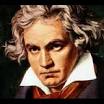
Breaking down the themes in Konzert Für Violine Und Orchester D-dur Op.61 by Ludwig Van Beethoven
Konzert Für Violine Und Orchester D-dur Op.61- Album Overview
The "Konzert für Violine und Orchester D-dur Op. 61," commonly known as Beethoven's Violin Concerto, was composed in 1806 and is one of the composer's most celebrated orchestral works. Initially, the concerto was met with mixed reviews, but it has since become a staple in the violin repertoire and is frequently performed and recorded by virtuoso violinists worldwide. The work was published by the Vienna-based music publisher, Artaria, and was first premiered by the violinist Franz Clement, who was a prominent figure in Vienna at the time. The concerto is structured in three movements: Allegro ma non troppo, Larghetto, and Rondo: Allegro. The concerto showcases the violin's lyrical capabilities, weaving intricate melodies and harmonies with a full orchestral backing. Beethoven's innovative orchestration and use of the violin as a leading voice reveal his mastery in balancing the dialogue between soloist and orchestra. This composition not only reflects the transition from the Classical to the Romantic period but also encapsulates the emotional depth and technical prowess that defines Beethoven's work. The concerto has been recorded extensively, with notable versions by legendary violinists like Jascha Heifetz, Itzhak Perlman, and Anne-Sophie Mutter, each bringing their unique interpretation to this timeless piece. As a cultural artifact, Beethoven's Violin Concerto stands as a testament to the evolution of concert music and the violin's role within it, influencing countless composers and musicians in the years following its release.
Review
The "Konzert für Violine und Orchester D-dur Op. 61" is a brilliant showcase of Beethoven's ability to blend technical virtuosity with profound emotional expression. The concerto opens with a majestic Allegro ma non troppo, where the violin emerges with a grand, soaring theme that establishes the work's jubilant yet introspective character. The orchestration is lush, providing a rich backdrop that enhances the violin's melodic lines without overshadowing it. The second movement, Larghetto, is a highlight of lyrical beauty, where the violin floats over a gentle orchestral accompaniment, conveying a sense of serenity and introspection. This movement stands as a testament to Beethoven's ability to evoke deep emotion through simplicity and clarity of expression. Finally, the Rondo brings the concerto to a spirited conclusion, filled with lively rhythms and playful exchanges between the soloist and orchestra, capturing the essence of joy and celebration. Overall, Beethoven's Violin Concerto transcends mere technical display; it is a profound exploration of human emotion, reflecting the composer's genius in marrying form with feeling. The themes of struggle, triumph, and lyrical introspection resonate throughout, making this work not just a concerto but a narrative journey, inviting listeners into the depths of Beethoven's musical imagination.
Highlights
- Masterful orchestration that balances the solo violin with the orchestra.
- Emotionally rich themes that resonate with listeners across generations.
- Technical brilliance of the violin part, showcasing the instrument’s full range and capabilities.
Weak points
- Initial reception was mixed, leading to a delayed recognition of its greatness.
- Some may find the first movement lengthy compared to contemporary concerto standards.
- The complexity of the piece may pose challenges for less experienced performers.
Overall evaluation
Beethoven's "Konzert für Violine und Orchester D-dur Op. 61" remains a monumental work in the classical music canon, celebrated for its emotional depth and technical brilliance. It captures the spirit of its time while remaining timeless in its appeal. A true masterpiece that continues to inspire musicians and audiences alike.
Personal rating: 10/10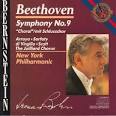 1972Symphony No. 9