ALBUM NOTESFrom intro to finale: what Quatuors, Op. 18, 1 à 3 delivers
Quatuors, Op. 18, 1 à 3- Album Overview
The album "Quatuors, Op. 18, 1 à 3" showcases the early string quartets of Ludwig van Beethoven, which were composed between 1798 and 1800 and published in 1801. This collection is pivotal in the development of chamber music, marking Beethoven’s transition from the Classical style of his predecessors like Haydn and Mozart to a more personal and expressive form. The album typically features the first three quartets of the Op. 18 set: String Quartet No. 1 in F major, Op. 18, No. 1; String Quartet No. 2 in G major, Op. 18, No. 2; and String Quartet No. 3 in D major, Op. 18, No. 3.
This particular recording has been released by several labels, with notable versions emerging in the late 20th and early 21st centuries, showcasing the works through various interpretations. Many recordings feature renowned quartets, such as the Emerson String Quartet and the Takács Quartet, who bring their unique artistry to these timeless pieces. The album not only encapsulates Beethoven’s innovative use of harmony and structure but also reflects the cultural shifts of his time, as these quartets were composed during the dawn of the Classical-Romantic transition in music. Each piece offers a glimpse into Beethoven's evolving style, rich emotional depth, and intricate musical conversation among the strings.
Review
The "Quatuors, Op. 18, 1 à 3" album serves as an essential gateway into Beethoven's chamber music, characterized by its intricate interplay and emotional nuances. The sound is vibrant and clear, allowing listeners to appreciate the distinct voices of each instrument. The first quartet opens with a lively Allegro, blending classical elegance with Beethoven's burgeoning individuality, while the second quartet introduces a lyrical beauty that contrasts with its playful motifs. The third quartet, with its bold thematic development and dramatic contrasts, showcases Beethoven’s intent to push the boundaries of the string quartet format.
Artistic vision shines through the subtle dynamics and phrasing that skilled ensembles impart to these works. Each quartet presents a different facet of Beethoven’s early style, from the charming melodies to the profound emotional depth. The interplay between the instruments is reminiscent of a conversation, where each voice is both a participant and a leader, creating a rich tapestry of sound that captivates the audience from start to finish.
Highlights
- The intricate interplay between instruments that creates a conversational atmosphere.
- The emotional depth and lyrical beauty present in each composition.
- The historical significance of the quartets as a bridge between classical and romantic styles.
Weak points
- The complexity of the compositions may be challenging for casual listeners.
- Some interpretations might lack the energy or dynamism that Beethoven intended.
- A few tracks may feel less engaging compared to the more famous later quartets.
Overall evaluation
"Quatuors, Op. 18, 1 à 3" is a remarkable representation of Beethoven's early genius, offering insights into his development as a composer. While the album serves both as an introduction to classical chamber music and a significant artistic statement, it may require attentive listening to fully appreciate its intricacies.
Personal rating: 8/10

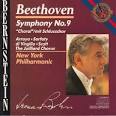 1972Symphony No. 9