
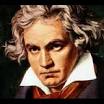
Symphony No. 6 In F Major, Op. 68 “pastoral”: the next chapter for Ludwig Van Beethoven
Symphony No. 6 In F Major, Op. 68 “pastoral”- Album Overview
Ludwig Van Beethoven's "Symphony No. 6 in F Major, Op. 68," commonly referred to as the "Pastoral Symphony," was composed between 1802 and 1808 and premiered on December 22, 1808, at the Theater an der Wien in Vienna. This symphony is one of Beethoven's most celebrated orchestral works and stands as a testament to his evolving musical language. Released under the label of various orchestras and conductors over the years, it continues to be a staple in classical music repertoires worldwide.
The "Pastoral Symphony" is unique among Beethoven's symphonic works, as it explicitly evokes the sounds and feelings of nature. The piece is structured in five movements, a departure from the traditional four, which allows for a deeper exploration of pastoral themes. Beethoven's intention was to convey a sense of serene rural life, embodying the tranquility and beauty of the countryside. This work is notable not only for its musical innovation but also for its cultural significance, reflecting the Enlightenment ideals of nature and humanity's connection to it.
Throughout its movements, Beethoven incorporates elements such as bird calls, flowing streams, and a storm, creating a vivid soundscape that transports listeners to the pastoral scenes he admired. The symphony was dedicated to the Count Joseph von Erdödy and was part of a concert that also featured other significant works, including the premiere of his "Piano Concerto No. 4." The "Pastoral" Symphony has inspired countless adaptations and performances, continuing to resonate with audiences today.
Review
The "Pastoral Symphony" is a remarkable exploration of nature's beauty through orchestral music. From the outset, the first movement sets a tone of tranquility, and the subsequent sections delve into various emotional landscapes, capturing both the serenity and turbulence of the natural world. The use of woodwinds to imitate bird songs in the second movement is particularly enchanting, providing a charming contrast to the more dramatic passages that follow. Beethoven's innovative orchestration and harmonic language showcase his mastery in evoking imagery through sound.
While the symphony lacks traditional lyrical elements, its "narrative" is conveyed through the music itself, allowing listeners to experience the pastoral scenes vividly. The third movement, a lively "Allegro," brings a joyous dance-like quality, inviting the audience to revel in the pastoral experience. The fourth movement, depicting a storm, is particularly noteworthy for its dramatic intensity, highlighting Beethoven's ability to convey contrasting emotions within a single work. The final movement concludes on a serene note, encapsulating a sense of peace and resolution.
Highlights
- Innovative orchestration that vividly captures the essence of nature.
- A unique five-movement structure that deepens the exploration of pastoral themes.
- The emotive contrast between serene passages and dramatic elements, particularly in the storm sequence.
Weak points
- Some listeners may find the piece's length and structure unconventional compared to traditional symphonies.
- The absence of lyrics may make it less accessible to those who prefer vocal music.
- Its pastoral themes might not resonate with all audiences, particularly those favoring more dramatic compositions.
Overall evaluation
Beethoven's "Symphony No. 6" is a groundbreaking piece that transcends the typical boundaries of symphonic music. Its vivid representation of nature and emotional depth make it a timeless masterpiece that continues to inspire and enchant listeners. This work marks a significant chapter in Beethoven's career, showcasing his innovative spirit and profound connection to the natural world.
Personal rating: 9/10 1972Symphony No. 9