
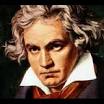
Symphony No. 3 “eroica” / Coriolan / Fidelio: discovering Ludwig Van Beethoven's artistry
Symphony No. 3 “eroica” / Coriolan / Fidelio- Album Overview
The album "Symphony No. 3 “eroica” / Coriolan / Fidelio" showcases the genius of Ludwig Van Beethoven, a composer whose work transformed the landscape of classical music. Released in 1803, the "Eroica" Symphony is particularly notable for its innovative structure and emotional depth, marking a pivotal moment in the transition from the Classical to the Romantic era. The album features three significant works: Symphony No. 3 in E-flat major, Op. 55 (Eroica), the overture "Coriolan," and the overture to "Fidelio," Beethoven's only opera.
Recorded by various orchestras and conductors over the years, this compilation often features interpretations by renowned ensembles such as the Berlin Philharmonic and the Vienna Philharmonic, capturing the essence of Beethoven's artistry. The "Eroica" is celebrated for its ambitious length and thematic complexity, originally dedicated to Napoleon Bonaparte before Beethoven withdrew the dedication, reflecting his disillusionment with the political climate of his time.
The "Coriolan" overture, composed in 1807, exhibits Beethoven's ability to convey narrative through orchestral music, while the overture to "Fidelio," completed in 1805, encapsulates themes of heroism and freedom. These works not only highlight Beethoven's innovative spirit but also showcase his deep engagement with humanistic ideals, making a significant cultural impact that resonates to this day. The album, often released under various labels, remains a cornerstone for both classical aficionados and new listeners alike, reflecting the enduring legacy of Beethoven's artistry.
Review
This album serves as a compelling introduction to Beethoven's orchestral mastery. The "Eroica" Symphony is a breathtaking journey, moving from the strident opening motif to expansive themes that evoke a spectrum of emotions. The musicianship displayed in the recordings is exceptional, with each instrument contributing to the intricate tapestry of sound. The emotional highs and lows, especially in the second movement's funeral march, resonate deeply, showcasing Beethoven's ability to blend formality with raw human emotion.
The "Coriolan" overture is a testament to Beethoven's dramatic flair, packed with intensity and urgency, while the "Fidelio" overture encapsulates hope and triumph, a reflection of Beethoven's ideals about freedom and justice. Collectively, these pieces not only underline Beethoven's technical prowess but also his profound philosophical and emotional insights, solidifying his place as one of the greatest composers in history.
Highlights
- The emotional complexity and innovation of Symphony No. 3 “Eroica”.
- The dramatic intensity of the "Coriolan" overture.
- The uplifting themes in the "Fidelio" overture that resonate with the ideals of freedom.
Weak points
- Occasional overwhelming orchestration may overshadow subtle details for some listeners.
- Some interpretations may vary in emotional impact, depending on the conductor.
- Long playing time may be daunting for casual listeners unaccustomed to classical music.
Overall evaluation
This album is a profound exploration of Beethoven's multifaceted genius, offering listeners a deep dive into his transformative works. Each piece stands on its own while contributing to a greater understanding of his artistic vision. A must-listen for anyone interested in classical music.
Personal rating: 9/10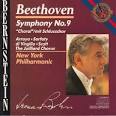 1972Symphony No. 9