Biography
Sonny Rollins: history and sound
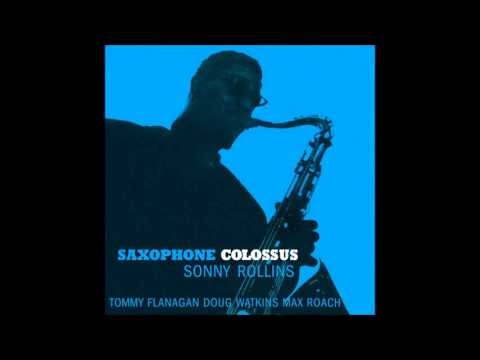
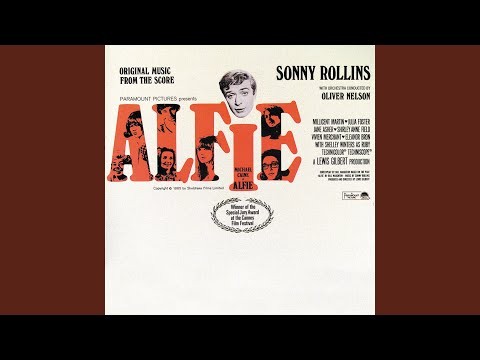
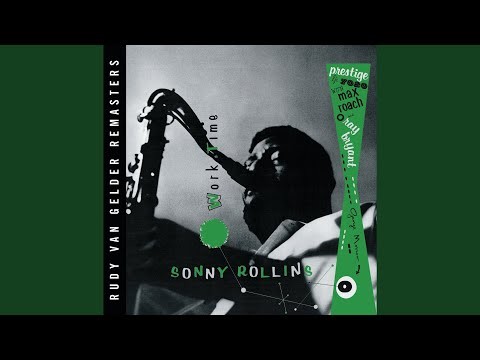
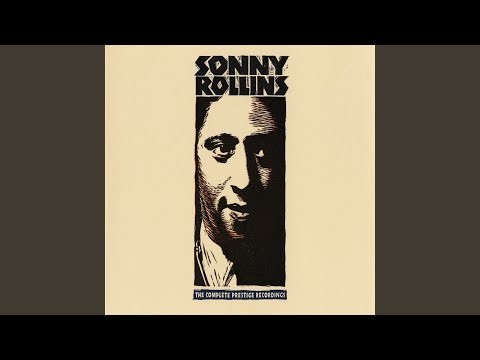
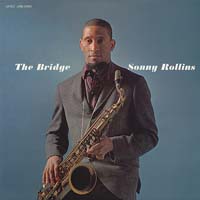
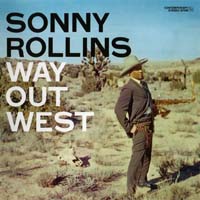
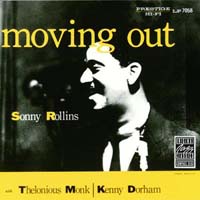
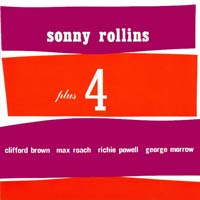
Theodore Walter Sonny Rollins (born September 7, 1930) is an American jazz tenor saxophonist. Rollins is widely recognized as one of the most important and influential jazz musicians.
Exploring the Musical Genius of Sonny Rollins
When it comes to jazz music, there are few names more iconic than Sonny Rollins. Born in New York City in 1930, Rollins first picked up a saxophone when he was just a teenager, and the rest, as they say, is history. With a career spanning more than six decades, Rollins has established himself as one of the most revered and innovative saxophonists in the history of jazz. In this article, we’ll delve deeper into the life and music of Sonny Rollins, exploring his musical biography, genre, best songs, famous concerts, and more.
Musical Biography
Sonny Rollins’ rise to fame was far from easy. Raised in Harlem, he started playing the piano at an early age before switching to the alto saxophone. After a brief stint with the famous bandleader Lionel Hampton, Rollins made a name for himself playing alongside jazz legends like Thelonious Monk, Miles Davis, and Charlie Parker. It wasn’t until the late 1950s, however, that Rollins truly came into his own as a solo artist.
Genre
Sonny Rollins is known for his groundbreaking work in the bebop and hard bop subgenres of jazz. He developed a signature tenor sax sound that was both powerful and soulful, and he was known for his innovative approach to improvisation. But Rollins didn’t just stick to one type of jazz; throughout his career, he experimented with many different styles, including avant-garde jazz, free jazz, and fusion.
Best Songs
With a career as long and illustrious as Sonny Rollins’, it’s hard to pick just a handful of standout tracks. But some of his most famous and enduring compositions include St. Thomas, Oleo, Doxy, Tenor Madness, and Blue Seven. These songs showcase Rollins’ incredible technical ability and his unique approach to phrasing and melody.
Famous Concerts
One of the most famous concerts in Rollins’ career was his performance at the Newport Jazz Festival in 1958. He was backed by an all-star band that included Miles Davis, Max Roach, and Art Blakey, among others. The recording of this performance, titled Sonny Rollins and the Big Brass, is considered by many to be one of the definitive jazz albums of the 1950s.
Critic
Throughout his career, Sonny Rollins has received countless accolades and awards for his contributions to the world of jazz. He has been inducted into the DownBeat Hall of Fame, the Grammy Hall of Fame, and the National Endowment for the Arts Jazz Masters. Critics have praised him for his technical virtuosity, his inventive improvisation, and his ability to seamlessly blend different styles of jazz.
From his early days playing with Charlie Parker to his groundbreaking work as a solo artist, Sonny Rollins has left an indelible mark on the world of jazz music. His unique approach to improvisation and his incredible technical ability have inspired countless musicians, and his influence can still be heard in jazz and other genres to this day. Whether you’re a longtime fan or a newcomer to his music, there’s no denying the impact that Sonny Rollins has had on the world of jazz and beyond.
Exploring the Musical Genius of Sonny Rollins
When it comes to jazz music, there are few names more iconic than Sonny Rollins. Born in New York City in 1930, Rollins first picked up a saxophone when he was just a teenager, and the rest, as they say, is history. With a career spanning more than six decades, Rollins has established himself as one of the most revered and innovative saxophonists in the history of jazz. In this article, we’ll delve deeper into the life and music of Sonny Rollins, exploring his musical biography, genre, best songs, famous concerts, and more.
Musical Biography
Sonny Rollins’ rise to fame was far from easy. Raised in Harlem, he started playing the piano at an early age before switching to the alto saxophone. After a brief stint with the famous bandleader Lionel Hampton, Rollins made a name for himself playing alongside jazz legends like Thelonious Monk, Miles Davis, and Charlie Parker. It wasn’t until the late 1950s, however, that Rollins truly came into his own as a solo artist.
Genre
Sonny Rollins is known for his groundbreaking work in the bebop and hard bop subgenres of jazz. He developed a signature tenor sax sound that was both powerful and soulful, and he was known for his innovative approach to improvisation. But Rollins didn’t just stick to one type of jazz; throughout his career, he experimented with many different styles, including avant-garde jazz, free jazz, and fusion.
Best Songs
With a career as long and illustrious as Sonny Rollins’, it’s hard to pick just a handful of standout tracks. But some of his most famous and enduring compositions include St. Thomas, Oleo, Doxy, Tenor Madness, and Blue Seven. These songs showcase Rollins’ incredible technical ability and his unique approach to phrasing and melody.
Famous Concerts
One of the most famous concerts in Rollins’ career was his performance at the Newport Jazz Festival in 1958. He was backed by an all-star band that included Miles Davis, Max Roach, and Art Blakey, among others. The recording of this performance, titled Sonny Rollins and the Big Brass, is considered by many to be one of the definitive jazz albums of the 1950s.
Critic
Throughout his career, Sonny Rollins has received countless accolades and awards for his contributions to the world of jazz. He has been inducted into the DownBeat Hall of Fame, the Grammy Hall of Fame, and the National Endowment for the Arts Jazz Masters. Critics have praised him for his technical virtuosity, his inventive improvisation, and his ability to seamlessly blend different styles of jazz.
From his early days playing with Charlie Parker to his groundbreaking work as a solo artist, Sonny Rollins has left an indelible mark on the world of jazz music. His unique approach to improvisation and his incredible technical ability have inspired countless musicians, and his influence can still be heard in jazz and other genres to this day. Whether you’re a longtime fan or a newcomer to his music, there’s no denying the impact that Sonny Rollins has had on the world of jazz and beyond.