
Unpacking Sonny Rollins's Way Out West
Way Out West- Album Overview
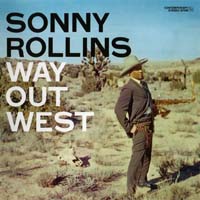
Released in 1957, Way Out West is one of tenor saxophonist Sonny Rollins's most celebrated albums, a cornerstone of modern jazz that exemplifies the genre's adventurous spirit during the late 1950s. The album was recorded on March 7, 1957, at the legendary Contemporary Records studio in Los Angeles, under the production of the influential label head, Lester Koenig. This particular session featured Rollins alongside two formidable collaborators: bassist Bob Cranshaw and drummer Elvin Jones. The trio format allows Rollins's improvisational skills to shine, creating a sonic landscape that is both intimate and expansive. The album consists of seven tracks, including standout pieces such as "I'm an Old Cowhand (From the Rio Grande)" and "The Way Out West," showcasing Rollins's unique ability to blend traditional jazz forms with innovative melodies. Notably, Rollins’s choice of the Western theme, reflecting the American landscape, further distinguishes this album from his contemporaries, as it captures an essence of freedom and exploration that resonated with the cultural zeitgeist of the 1950s. Musically, Way Out West is significant for its use of space and rhythm, with each musician contributing to a cohesive yet dynamic sound. The album's artwork, featuring Rollins in a cowboy hat, also speaks to the thematic elements of the music itself. Despite being recorded in a studio, the album has a live feel, inviting listeners into Rollins's improvisational journey. It is often cited as one of the best jazz albums of all time, influencing countless musicians and cementing Rollins's reputation as a leading figure in jazz.
Review
Sonny Rollins's Way Out West is not just an album; it's an audacious exploration of sound and identity. The album opens with a playful yet deeply reflective tone, setting the stage for Rollins's masterful saxophone lines. His ability to weave intricate melodies with a conversational quality makes each track a dialogue, both with his bandmates and the listener. The interaction between Rollins and drummer Elvin Jones is particularly noteworthy, as they create a rhythmic interplay that is both tight and free, allowing for moments of improvisational brilliance. The production captures the raw essence of the performance, emphasizing the organic feel of the trio's collaboration. Rollins’s choice of material is equally significant; the reinterpretation of jazz standards and the original compositions reflect his profound understanding of the genre's roots while pushing its boundaries. The album's cultural significance lies in its embodiment of the jazz movement during a time of great social change in America. Rollins's adventurous spirit resonates with the themes of freedom and exploration, making Way Out West not just a musical achievement but a cultural artifact of its time.
Highlights
- Innovative use of the trio format, showcasing intimate musical dialogue.
- Masterful improvisation that balances tradition and modernity.
- Cultural significance reflecting the adventurous spirit of 1950s jazz.
Weak points
- Some listeners may find the minimalist instrumentation limiting.
- Thematically, the cowboy imagery might not resonate with all audiences.
- Occasional moments of extended improvisation may test patience.
Overall evaluation
Way Out West stands as a monumental achievement in jazz history, showcasing Sonny Rollins's virtuosity and artistic vision. Its blend of technical prowess and thematic depth makes it a timeless classic that continues to influence generations of musicians. The album is a must-listen for both jazz aficionados and newcomers alike.
Personal rating: 9/10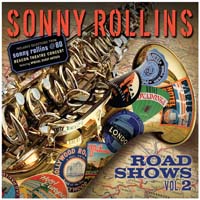 2020Rollins In Holland
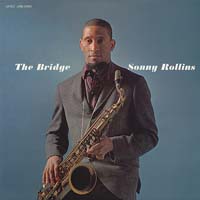 1962The Bridge
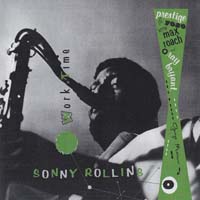 1956Work Time
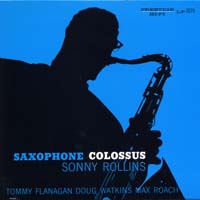 1956Saxophone Colossus
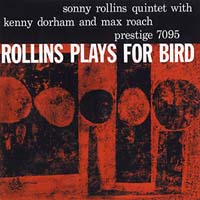 1956Rollins Plays for Bird
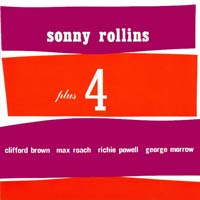 1956Plus 4
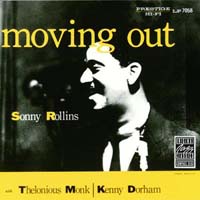 1956Moving Out