
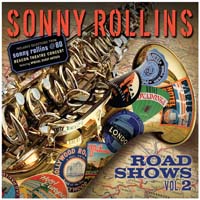
Why Sonny Rollins's Jazz Contrasts matters
Jazz Contrasts- Album Overview
Jazz Contrasts is a pivotal album by saxophonist Sonny Rollins, released in 1959 under the RCA Victor label. This album represents a significant moment in Rollins's career, showcasing his innovative approach to jazz and his ability to blend complex improvisation with melodic clarity. Recorded in New York City, the album features a stellar lineup of musicians, including pianist McCoy Tyner, bassist Bob Cranshaw, and drummer Elvin Jones, all of whom contribute to the album's vibrant sound. The sessions took place during a time when Rollins was evolving as an artist, moving away from traditional hard bop influences towards a more exploratory style that would define his later work. The album consists of six tracks, each highlighting Rollins's distinctive tenor saxophone voice. Notable compositions include "Doxy" and "The Last Time I Saw Paris," which feature intricate melodic lines and deep emotional resonance. The title track "Jazz Contrasts" encapsulates the album’s theme, juxtaposing different musical ideas and showcasing the interplay between the musicians. Despite its relatively brief runtime, Jazz Contrasts has been hailed for its artistic ambition and remains a touchstone for jazz enthusiasts. Its release not only solidified Rollins's status as a leading figure in jazz but also reflected the broader cultural shifts occurring in American music during the late 1950s.
Review
The sound of Jazz Contrasts is a testament to Sonny Rollins's genius as an improviser. From the moment the first notes hit, listeners are enveloped in a rich tapestry of sound that balances technical prowess with emotional depth. Rollins's saxophone playing is characterized by its warmth and expressiveness, effortlessly navigating through complex chord changes and providing a captivating listening experience. The rhythm section's tight cohesion underpins Rollins's solos, allowing for moments of spontaneous creativity that are both exhilarating and introspective. What sets this album apart is its exploration of contrasting themes, not just musically but emotionally. Each track invites listeners into a different world, whether it's the playful yet intricate melodies of "Doxy" or the reflective quality of "The Last Time I Saw Paris." The album's production, handled with care, ensures that each instrument is given its due space, allowing the synergy among the musicians to shine. Rollins's artistic vision is clear: to push boundaries while remaining rooted in the tradition of jazz, making Jazz Contrasts an essential listen for both casual fans and serious aficionados alike.
Highlights
- Innovative improvisation that blends technical skill with emotional expression.
- Strong collaborative performances from a top-tier lineup of jazz musicians.
- Musical themes that explore contrasting ideas, creating a dynamic listening experience.
Weak points
- Some tracks may feel less accessible to casual listeners unfamiliar with jazz complexities.
- Limited range of styles compared to Rollins's later work, which may leave some wanting more diversity.
- Short runtime may not satisfy listeners seeking a more extensive album experience.
Overall evaluation
Jazz Contrasts stands as a significant work in Sonny Rollins's discography, capturing a moment of artistic growth and exploration in jazz. While it may present challenges for some listeners, the album's strengths far outweigh its weaknesses, making it a must-listen for anyone interested in the evolution of jazz music.
Personal rating: 9/10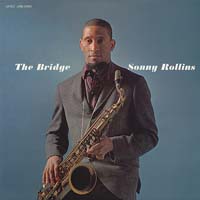 1962The Bridge
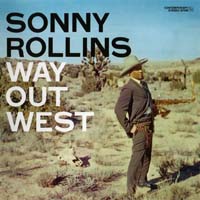 1957Way Out West
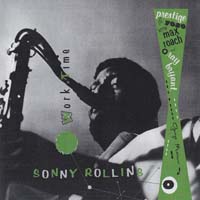 1956Work Time
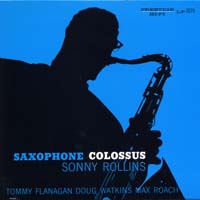 1956Saxophone Colossus
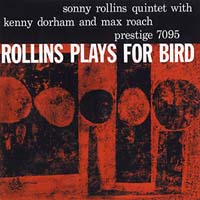 1956Rollins Plays for Bird
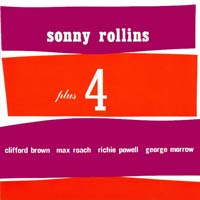 1956Plus 4
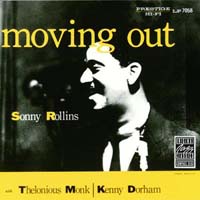 1956Moving Out