
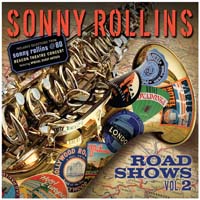
A closer look at Sonny Rollins's album Sonny Boy
Sonny Boy- Album Overview
Released in 1962, "Sonny Boy" is a landmark album by the legendary jazz saxophonist Sonny Rollins. This album is notable for its innovative approach to the jazz genre, showcasing Rollins's virtuosic tenor saxophone skills and his ability to blend traditional jazz with modern influences. Recorded for the RCA Victor label, "Sonny Boy" features a stellar cast of collaborators, including pianist McCoy Tyner, bassist Bob Cranshaw, and drummer Elvin Jones, all of whom were pivotal in shaping the sound of jazz during this era. The album comprises six tracks, with standout pieces such as "Sonny Boy," "The Last Time I Saw Paris," and "The Way You Look Tonight," each demonstrating Rollins's unique improvisational style and deep emotional expression.
The recording sessions took place in a period of great experimentation in jazz, where artists began exploring new avenues of sound and composition. Rollins, already an established figure in the jazz world, took this opportunity to push the boundaries of his artistry. The album's title track, "Sonny Boy," is a reinterpretation of a popular standard, where Rollins infuses the classic with his distinct flair, highlighting his ability to breathe new life into familiar melodies. The album also showcases Rollins's penchant for storytelling through music, allowing listeners to connect with the emotive power of his saxophone.
Upon its release, "Sonny Boy" received critical acclaim and has since become an essential part of the jazz canon, influencing countless musicians and jazz enthusiasts. Its cultural significance lies not only in its musical innovation but also in its reflection of the evolving landscape of jazz during the 1960s, where artists like Rollins were redefining the genre's boundaries.
Review
"Sonny Boy" is a masterclass in jazz artistry, showcasing Sonny Rollins's unparalleled skill and creativity. The album opens with the title track, where Rollins's saxophone weaves intricate melodies that are both soulful and technically impressive. His ability to blend traditional jazz elements with modern improvisation is evident throughout the album, creating a sound that feels both timeless and fresh. The interplay between the musicians is particularly noteworthy, with each member contributing to a rich tapestry of sound that elevates Rollins's lead. The production quality is pristine, allowing every nuance of the performance to shine, from the subtle brushwork of the drums to the resonant chords of the piano.
While the album primarily showcases instrumental prowess, it also possesses a deep emotional resonance, particularly in tracks like "The Way You Look Tonight," where Rollins's heartfelt playing evokes a sense of nostalgia and longing. The artistic vision behind "Sonny Boy" is clear: Rollins aimed to take listeners on a journey through his musical landscape, and he succeeds brilliantly. This album solidifies Rollins's status as a leading figure in jazz, demonstrating his ability to innovate while remaining deeply connected to the emotional core of the music.
Highlights
- Exceptional improvisation and creativity from Rollins.
- Strong musical chemistry among the ensemble members.
- Emotional depth and storytelling through instrumental performance.
Weak points
- Some listeners may find the album's pacing uneven.
- Occasional reliance on standard jazz themes may feel familiar.
- Lack of vocal tracks may limit appeal to a broader audience.
Overall evaluation
"Sonny Boy" stands as a testament to Sonny Rollins's genius and his ability to innovate within the jazz genre. It captures a pivotal moment in jazz history and remains a significant influence on musicians today.
Personal rating: 9/10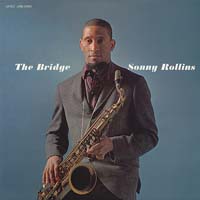 1962The Bridge
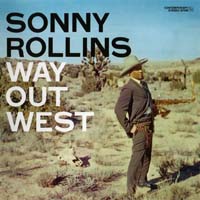 1957Way Out West
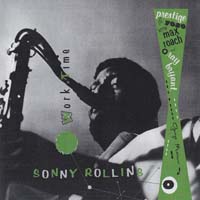 1956Work Time
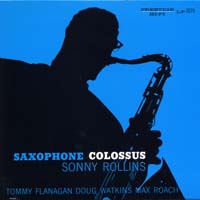 1956Saxophone Colossus
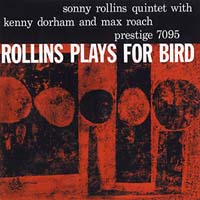 1956Rollins Plays for Bird
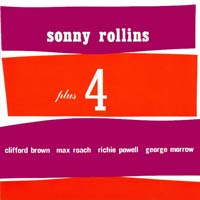 1956Plus 4
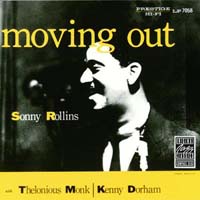 1956Moving Out