
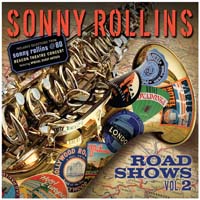
First impressions of Sonny Rollins – Rollins In Holland
Rollins In Holland- Album Overview
"Rollins In Holland," released in 1967, is a significant addition to the discography of jazz saxophonist Sonny Rollins. The album was recorded during a period when Rollins was living in Europe, specifically in the Netherlands, and showcases his deep connection with the local jazz scene. The album was released under the label RCA Victor and features a collection of compositions that highlight Rollins's innovative approach to improvisation and melody.
The recording sessions took place at the famous Dutch studio, the Van Gelder Studio, known for its exceptional sound quality and historical importance in jazz recording. The album features a talented ensemble of musicians, including drummer Albert "Tootie" Heath, bassist Henry Grimes, and pianist McCoy Tyner, who contribute to the dynamic interplay that characterizes the album. Notably, the album includes tracks like "Airegin," "St. Thomas," and "The Bridge," which are staples in Rollins's repertoire and exemplify his unique blend of hard bop and modal jazz.
"Rollins In Holland" not only reflects Rollins’s mastery of the saxophone but also his ability to adapt and experiment within different cultural contexts. This album captures a moment in jazz history where Rollins was not only a prominent figure but also a catalyst for the evolution of the genre. The album, while not as widely recognized as some of Rollins’s earlier works, holds a special place for its authentic representation of the artist's journey and creative explorations during this fruitful period in his career.
Review
Sonny Rollins's "Rollins In Holland" is a compelling tapestry of sound that illustrates the saxophonist's profound musicality and bold improvisational style. The album opens with "Airegin," a fast-paced bebop tune that immediately sets the tone for Rollins's vigorous and engaging performance. His signature tenor saxophone sound is at once robust and fluid, effortlessly weaving through intricate melodies and harmonies.
The interplay between the trio is particularly noteworthy, with each musician contributing to a cohesive yet exploratory sound. Rollins's ability to blend rhythm and melody is on full display, as he navigates complex arrangements while maintaining an infectious groove. The album's production quality is crisp, allowing listeners to appreciate the nuances of each instrument. However, it is the emotional depth of Rollins's playing that truly elevates this work, with each note resonating with authenticity.
In terms of artistic vision, Rollins demonstrates his commitment to pushing the boundaries of jazz. The tracks are imbued with a sense of spontaneity and joy, reflecting the vibrant jazz culture of the 1960s and Rollins's own artistic evolution. While some may find the album's experimental nature challenging, it ultimately serves as a testament to Rollins's innovative spirit and his place within the jazz pantheon.
Highlights
- Exceptional improvisation from Rollins that showcases his technical prowess.
- A strong supporting cast of musicians that enhances the overall sound.
- Production quality that captures the vibrancy of live jazz performance.
Weak points
- Some listeners may find the experimental nature of certain tracks challenging.
- The album lacks commercial hits compared to Rollins's earlier works.
- Occasional moments of abstraction that may alienate casual listeners.
Overall evaluation
"Rollins In Holland" is a vibrant showcase of Sonny Rollins's artistry during a pivotal time in his career. While it may not be as universally acclaimed as some of his other masterpieces, it offers a rich listening experience for those willing to embrace its improvisational spirit. This album is a valuable piece of jazz history that captures the essence of Rollins's innovative approach to music.
Personal rating: 8/10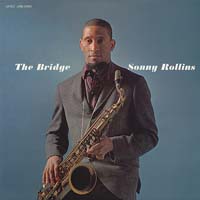 1962The Bridge
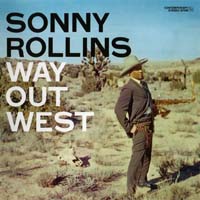 1957Way Out West
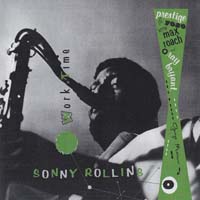 1956Work Time
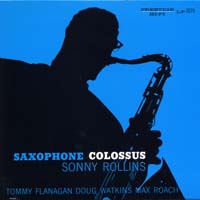 1956Saxophone Colossus
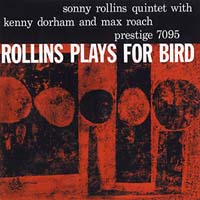 1956Rollins Plays for Bird
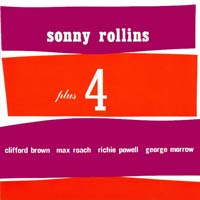 1956Plus 4
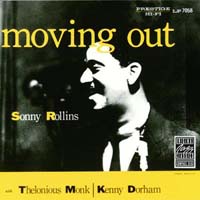 1956Moving Out