
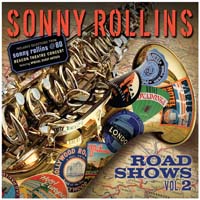
Sonny Rollins + 3: discovering Sonny Rollins's artistry
Sonny Rollins + 3- Album Overview
Released in 1962, "Sonny Rollins + 3" is a significant entry in the discography of the legendary jazz saxophonist Sonny Rollins. This album showcases Rollins's extraordinary artistry during a time when he was already renowned for his innovative improvisational style. The album was produced by the iconic jazz label RCA Victor, and it features Rollins on tenor saxophone, accompanied by an impressive lineup of musicians: trumpeter Don Cherry, bassist Bob Cranshaw, and drummer Billy Higgins. The recording took place in New York City, where Rollins was known to create some of his most challenging and rewarding work. The album consists of six tracks, including memorable pieces like "Airegin," "Doxy," and "The Last Time I Saw Paris." The choice of collaborators on this project reflects Rollins's commitment to pushing musical boundaries, as he deftly blends elements of bebop and hard bop with avant-garde influences. "Sonny Rollins + 3" serves as a testament to his ability to adapt and grow as an artist. Musically, the album is marked by its rhythmic complexity and melodic inventiveness, allowing Rollins to showcase his signature style of extended solos and improvisation. Culturally, the album holds a significant place in the jazz canon, as it represents a period of exploration for Rollins, who was constantly seeking new sounds and ideas. Despite the album's relatively short runtime, it encapsulates the essence of Rollins's artistry and his enduring impact on jazz music.
Review
"Sonny Rollins + 3" is a captivating exploration of jazz that highlights Rollins's exceptional talent as a composer and performer. The album opens with "Airegin," a track that immediately sets the tone with its upbeat tempo and intricate melodies. Rollins's tenor saxophone takes center stage, showcasing his signature sound, which is at once robust and fluid. Throughout the album, the interplay between Rollins and his collaborators is remarkable; Cherry's trumpet adds a layer of brightness to the arrangements, while Cranshaw and Higgins provide a solid rhythmic foundation. The improvisational nature of the album allows for spontaneous creativity, with Rollins often leading the charge into unexpected musical territories. Each track is a masterclass in jazz improvisation, filled with intricate phrasing and dynamic shifts. The album's production quality is excellent, capturing the raw energy of the live recording sessions while maintaining clarity in each instrument. However, it is Rollins's artistic vision that truly shines through, as he navigates complex harmonies and engages in thoughtful dialogues with his bandmates. Overall, "Sonny Rollins + 3" stands out not only for its musical brilliance but also for its embodiment of the spirit of jazz during the early 1960s, a time marked by experimentation and innovation.
Highlights
- Exceptional improvisation and musicianship from Rollins and his collaborators.
- Dynamic interplay between instruments, creating a vibrant listening experience.
- Tracks that blend traditional jazz elements with innovative approaches.
Weak points
- Some listeners may find the improvisational style challenging or less accessible.
- The album's brevity may leave fans wanting more from this exceptional lineup.
- Occasional moments of dissonance might not appeal to all jazz aficionados.
Overall evaluation
"Sonny Rollins + 3" is a remarkable album that captures the essence of Rollins's artistry and his significant contribution to jazz music. It is a must-listen for anyone interested in the evolution of jazz and the brilliance of one of its greatest saxophonists.
Personal rating: 9/10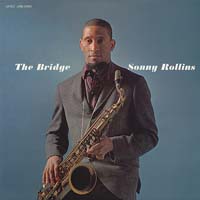 1962The Bridge
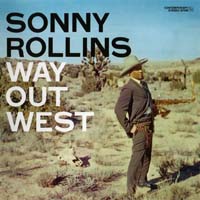 1957Way Out West
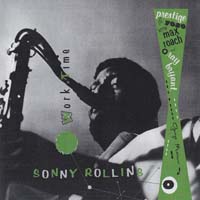 1956Work Time
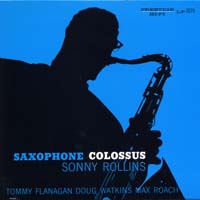 1956Saxophone Colossus
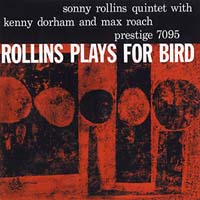 1956Rollins Plays for Bird
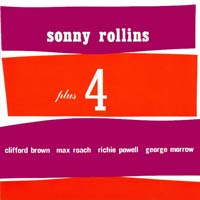 1956Plus 4
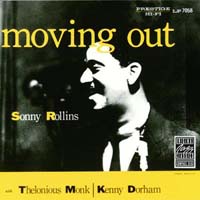 1956Moving Out