
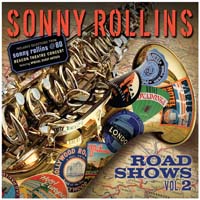
Sonny Rollins raises the bar with Sunny Days, Starry Nights
Sunny Days, Starry Nights- Album Overview
"Sunny Days, Starry Nights," released in 1976, is one of the notable albums by the legendary jazz saxophonist Sonny Rollins. Released under the RCA Victor label, this album stands out in Rollins' illustrious career as a captivating blend of jazz, funk, and contemporary sounds that reflect the music scene of the mid-1970s. The recording features a mix of original compositions and jazz standards, highlighting Rollins' innovative approach to improvisation and melody.
The album was produced by the renowned jazz producer and musician, Bob Thiele, who played a crucial role in shaping the sound of many significant jazz records during this era. Rollins was joined by an ensemble of talented musicians, including the rhythm section of bassist Bob Cranshaw and drummer Al Foster, along with pianist and producer Thiele himself contributing to the overall rich texture of the album.
Notable tracks include the title track "Sunny Days, Starry Nights," which showcases Rollins' signature tenor saxophone style, characterized by its fluid melodic lines and rhythmic complexity. The album's cultural significance is heightened by its ability to bridge traditional jazz with the burgeoning funk movement, appealing to both jazz purists and a younger audience seeking fresh sounds. It reflects a period of exploration and creativity in Rollins' career, as he continued to push the boundaries of the genre.
Review
"Sunny Days, Starry Nights" is a vibrant tapestry of sound that encapsulates the essence of Rollins' artistry. The album opens with a joyous energy that is infectious, drawing listeners into a world where rhythm and melody intertwine seamlessly. Rollins' saxophone work is both expressive and technically brilliant, with each note resonating with emotion and depth. The compositions are well-crafted, balancing structured arrangements with the spontaneity of live performance, which is a hallmark of Rollins' style.
While the album does exhibit some moments of experimentation that may not resonate with every listener, its overall sound is polished and engaging. The incorporation of funk elements gives the tracks a contemporary edge, allowing Rollins to connect with a broader audience without sacrificing his artistic integrity. The production quality is excellent, capturing the nuances of each instrument and the dynamic interplay between the musicians.
Highlights
- Exceptional saxophone solos that showcase Rollins' virtuosity.
- A successful blend of jazz and funk elements, appealing to a diverse audience.
- Strong production values that enhance the overall listening experience.
Weak points
- Some experimental tracks may feel disjointed compared to the more cohesive pieces.
- Occasional reliance on familiar jazz tropes could limit its innovation.
- Not all listeners may appreciate the shift towards funk influences.
Overall evaluation
"Sunny Days, Starry Nights" is a testament to Sonny Rollins' ability to evolve and adapt within the jazz genre. It showcases his unparalleled talent while navigating new musical landscapes. Although it may not be his most critically acclaimed work, it certainly offers a refreshing perspective on his artistic journey.
Personal rating: 8/10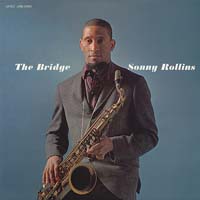 1962The Bridge
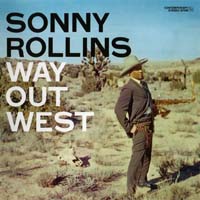 1957Way Out West
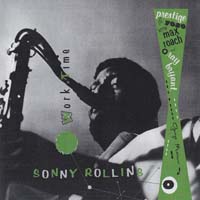 1956Work Time
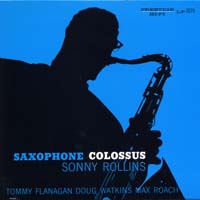 1956Saxophone Colossus
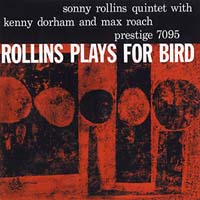 1956Rollins Plays for Bird
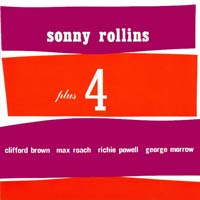 1956Plus 4
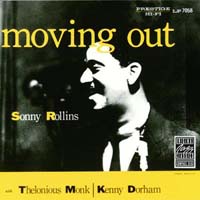 1956Moving Out