

First impressions of Sonny Rollins – Global Warming
Global Warming- Album Overview
"Global Warming," released in 2000, marks an essential addition to the discography of legendary jazz saxophonist Sonny Rollins. This album was released under the Milestone Records label and is a reflection of Rollins' ability to adapt and innovate within the jazz genre. The album features a total of nine tracks, blending traditional jazz elements with contemporary influences, showcasing Rollins' knack for melodic improvisation and rhythmic complexity.
Recorded in 2000, the album captures a moment in Rollins' career where he continues to explore and push the boundaries of jazz. Collaborating with a talented ensemble, including bassist Christian McBride, drummer Roy Haynes, and pianist Stephen Scott, Rollins crafts a sound that is both familiar and fresh. The production was overseen by the renowned engineer and producer, Jim Anderson, known for his work with various jazz luminaries.
Among the notable tracks is "Global Warming," which serves as a thematic cornerstone, addressing social issues through a musical lens. Other tracks, like "The Last Time I Saw Paris," highlight Rollins' ability to reinterpret classic melodies with a modern twist. While no singles were released from the album, the entire project is a cohesive experience that emphasizes Rollins' artistry and his continued relevance in the jazz world.
The album's title resonates deeply within its context, reflecting concerns about environmental issues, a theme that Rollins has felt strongly about. "Global Warming" not only underscores his musical genius but also his reflections on society, making this album a significant cultural artifact of its time.
Review
"Global Warming" stands out for its intricate blend of improvisation, rhythm, and melody. Rollins' tenor saxophone work is masterful, showcasing his trademark sound that combines boldness with sensitivity. The album maintains a dynamic range, moving from upbeat, experimental pieces to more introspective and melodic moments, allowing listeners to experience a spectrum of emotions. The collaboration with McBride and Haynes creates a vibrant foundation that complements Rollins' explorative style.
Despite the absence of lyrics, the music itself conveys powerful messages, particularly in how it embodies societal reflections. The artistic vision is clear: Rollins seeks to connect with his audience on an emotional level, using music as a medium to comment on contemporary issues. The album's production quality is top-notch, effectively capturing the nuances of each instrument while highlighting Rollins' saxophone as the centerpiece.
Highlights
- Masterful saxophone performances that blend bold improvisation with melodic depth.
- Strong collaborative efforts with renowned musicians, enhancing the album's overall sound.
- Thematic relevance, addressing contemporary social issues through jazz.
Weak points
- Some tracks may feel slightly less cohesive compared to others, leading to a varied listening experience.
- The absence of singles may limit wider audience engagement.
- For some listeners, the album's themes may seem overly abstract or less accessible.
Overall evaluation
In conclusion, "Global Warming" is a testament to Sonny Rollins' enduring legacy and innovative spirit within jazz. It encompasses a thoughtful exploration of musical and societal themes, making it a significant work in his extensive catalog. While there are minor inconsistencies, the album ultimately succeeds in delivering a rich, engaging listening experience.
Personal rating: 8/10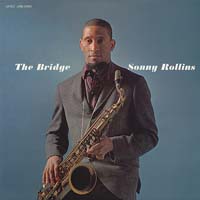 1962The Bridge
 1957Way Out West
 1956Work Time
 1956Saxophone Colossus
 1956Rollins Plays for Bird
 1956Plus 4
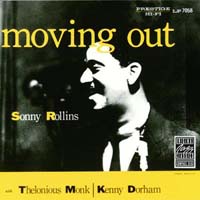 1956Moving Out