
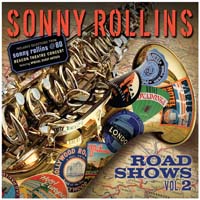
A closer look at Sonny Rollins's album Freedom Suite
Freedom Suite- Album Overview
Released in 1958, "Freedom Suite" is a landmark jazz album by legendary saxophonist Sonny Rollins. The album was recorded during a pivotal time in American history, coinciding with the civil rights movement, and its themes reflect the struggle for freedom and equality. The album was produced by Bob Thiele and released under the Riverside Records label, a label known for its commitment to high-quality jazz recordings. The sessions took place at the famous Van Gelder Studio in Englewood Cliffs, New Jersey, a site that would become synonymous with jazz excellence.
"Freedom Suite" consists of just three tracks, the title piece being a 19-minute exploration of complex rhythms and improvisation. The other two tracks, "There's No Business Like Show Business" and "The Freedom Suite" (the latter often regarded as a musical statement on social justice), showcase Rollins's ability to blend traditional jazz elements with more avant-garde approaches. Collaborating with Rollins on this album were renowned musicians such as drummer Elvin Jones, bassist Henry Grimes, and pianist McCoy Tyner, all of whom contributed to the album's rich and textured sound.
Notably, "Freedom Suite" was one of the first jazz albums to directly address the political climate of the time, making it not just a musical achievement but a cultural statement as well. It has since been recognized as a crucial work in Rollins's discography, influencing countless musicians and serving as a touchstone for discussions about race and freedom in America. The album holds a special place in jazz history, often regarded as a bold assertion of artistic expression linked to the fight for civil rights.
Review
Sonny Rollins's "Freedom Suite" is an audacious blend of improvisational genius and profound social commentary. The album's centerpiece, the title track, stands as a testament to Rollins's mastery of the saxophone, showcasing his ability to blend melodic lines with intricate rhythms. The extended length of the track allows Rollins the space to explore themes of freedom, both musically and socially, with a fervor that resonates deeply with listeners. The interplay of the instruments is captivating, particularly the dynamic exchanges between Rollins and drummer Elvin Jones, creating a dialogue that feels both spontaneous and deeply intentional.
Musically, the album weaves together elements of hard bop and modal jazz, pushing boundaries while remaining deeply rooted in the jazz tradition. The other two tracks offer a contrast, with "There's No Business Like Show Business" providing a lighter, more playful feel, while "The Freedom Suite" returns to the serious undertones of the title piece, reinforcing the album's overarching message. While the lyrics are sparse, the emotive power of the music speaks volumes, making it clear that this album is as much about the sound as it is about the message.
Highlights
- Innovative blend of jazz styles, showcasing Rollins's technical prowess.
- Deeply resonant themes of freedom and social justice, reflecting its cultural significance.
- Exceptional collaboration with talented musicians, enhancing the overall sound.
Weak points
- The lengthy title track might be challenging for casual listeners.
- Some may find the album's political themes too overt for a purely musical experience.
- The production quality, while good, is not as polished as modern recordings.
Overall evaluation
Sonny Rollins's "Freedom Suite" is a groundbreaking work that combines musical innovation with poignant social commentary. It stands as a critical piece of jazz history that not only showcases Rollins's exceptional talent but also addresses important cultural issues. This album is essential listening for anyone interested in the evolution of jazz and its intersection with societal change.
Personal rating: 9/10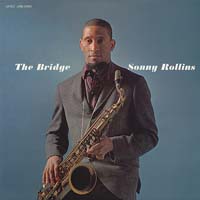 1962The Bridge
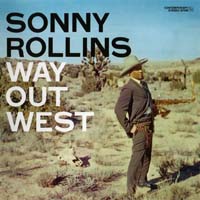 1957Way Out West
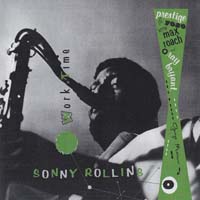 1956Work Time
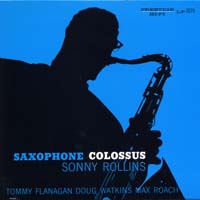 1956Saxophone Colossus
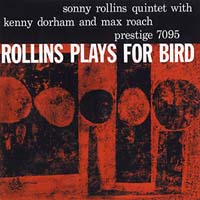 1956Rollins Plays for Bird
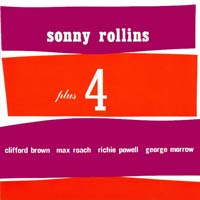 1956Plus 4
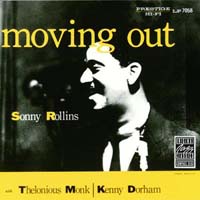 1956Moving Out