

Review of Sonny Rollins – Dig
Dig- Album Overview
"Dig" is a seminal jazz album by the legendary tenor saxophonist Sonny Rollins, released in 1956 on the RCA Victor label. This album is notable for its innovative approach to hard bop, showcasing Rollins' virtuosity and unique improvisational style. Recorded during a prolific period in Rollins' career, "Dig" features a stellar lineup of musicians, including trumpeter Donald Byrd, pianist McCoy Tyner, bassist Art Davis, and drummer Elvin Jones, who was also known for his work with the iconic John Coltrane Quartet. The sessions took place at the historic RCA Studios in New York City, capturing the vibrant energy of the jazz scene at that time. The album consists of six tracks, with standout originals such as "Airegin" and "Doxy," as well as interpretations of standards like "The Song Is You." "Dig" was not just a commercial success; it played a crucial role in solidifying Rollins' reputation as a leading figure in modern jazz. This release came during a time when jazz was evolving, and Rollins' ability to blend complex melodies with rhythmic sophistication set a new standard for saxophonists. With its rich textures and vibrant arrangements, "Dig" has left a lasting impact on the genre and continues to inspire musicians today. The album's singles, particularly "Airegin," are celebrated for their energetic performances that highlight Rollins' improvisational brilliance.
Review
The sound of "Dig" is a brilliant convergence of technical prowess and emotional depth. Rollins' saxophone work is both fluid and assertive, embodying a sense of urgency that captivates listeners from the first note. His improvisations are intricate, weaving in and out of the rhythm with an organic flow that feels both spontaneous and meticulously crafted. The interplay between Rollins and his bandmates creates a dynamic soundscape, where each musician contributes to the overall texture without overshadowing the others. The album’s production captures the essence of live jazz, with a raw, organic feel that transports listeners to the smoky clubs of the 1950s. The arrangements are tight yet leave ample room for improvisation, allowing Rollins and the ensemble to explore new musical territories. Lyrically, while jazz often emphasizes instrumental expression over words, the emotive power of Rollins’ playing conveys a narrative that resonates deeply with audiences. Overall, "Dig" stands as a testament to Rollins' artistic vision, showcasing his ability to transcend traditional boundaries and redefine jazz for future generations.
Highlights
- Exceptional improvisational skills showcased by Sonny Rollins.
- Strong collaborative performances from a talented ensemble of jazz musicians.
- Memorable compositions that have become jazz standards.
Weak points
- Some tracks may feel repetitive to casual listeners.
- The album lacks the studio polish that some contemporaries offered.
- Not all tracks resonate equally, making the overall flow uneven at times.
Overall evaluation
In conclusion, "Dig" is an essential album for any jazz aficionado, showcasing Sonny Rollins at his creative peak. Its blend of innovation and tradition makes it a timeless piece in the jazz canon. Despite a few minor flaws, the album's strength lies in its powerful performances and historical significance within the genre. Personal rating: 9/10
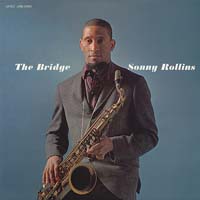 1962The Bridge
 1957Way Out West
 1956Work Time
 1956Saxophone Colossus
 1956Rollins Plays for Bird
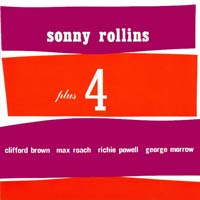 1956Plus 4
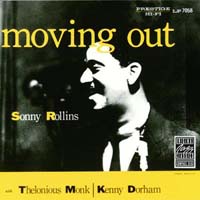 1956Moving Out