
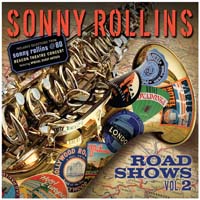
First impressions of Sonny Rollins – Sonny Rollins
Sonny Rollins- Album Overview
The album "Sonny Rollins," released in 1957, marks a significant moment in jazz history as it showcases the revolutionary tenor saxophonist's unparalleled improvisational abilities and innovative spirit. Released on the RCA Victor label, this album was recorded during a period when Rollins was transitioning from his earlier works into a more mature sound. The recording sessions took place at the famed RCA Studios in New York City, featuring an impressive lineup of jazz musicians, including pianist McCoy Tyner, bassist Bob Cranshaw, and drummer Elvin Jones, who would later become known for their contributions to the jazz genre.
Among the tracks, "St. Thomas" stands out as a classic that has since become synonymous with Rollins' legacy, showcasing his ability to blend Caribbean influences with traditional jazz elements. The album's production is notable for its clarity and warmth, allowing Rollins' saxophone to soar through each track, creating an intimate listening experience. The creative synergy between Rollins and his collaborators is palpable, as they navigate complex rhythms and melodies with ease.
This self-titled album not only solidified Rollins' reputation as a leading figure in jazz but also influenced countless musicians who followed. Its cultural significance lies in its ability to bridge various styles, reflecting the diverse musical landscape of the late 1950s. The album remains a cornerstone in any jazz enthusiast's collection, offering a glimpse into the transformative power of improvisation and the artistry of one of jazz's greatest innovators.
Review
Sonny Rollins' self-titled album is a masterclass in jazz improvisation and a testament to the saxophonist's artistry. The album's sound is characterized by Rollins' rich, warm tone and inventive phrasing that captivates the listener from the first note. Each track unfolds like a conversation, with Rollins weaving intricate melodies that dance around the rhythm section. The synergy between the musicians is electric; they respond to each other in real-time, creating an organic and dynamic soundscape.
Musically, the album blends traditional jazz with hints of world music, particularly evident in the calypso-infused "St. Thomas." This track, in particular, showcases not just Rollins' technical prowess but also his ability to tell stories through music, inviting listeners to experience the joy and vibrancy of different cultures. The production is clean and polished, ensuring that every note is heard clearly, yet it maintains a warmth that feels inviting. Rollins' artistic vision shines through as he confidently explores new territories while honoring the jazz tradition.
Highlights
- Exceptional improvisational skills displayed throughout the album.
- Rich, warm production that enhances the listening experience.
- Innovative blend of jazz with Caribbean influences, particularly in "St. Thomas."
Weak points
- Some tracks may feel less accessible to casual listeners unfamiliar with jazz.
- Lack of vocal elements might not appeal to those seeking lyrical content.
- The album's length may feel short for those wanting more from Rollins' exploration.
Overall evaluation
Sonny Rollins' self-titled album is a vital piece of jazz history that showcases his exceptional talent and creative vision. With its rich sound and innovative approach, it remains a significant influence in the genre. This album not only serves as a testament to Rollins' artistry but also as an invitation for listeners to immerse themselves in the world of jazz.
Personal rating: 9/10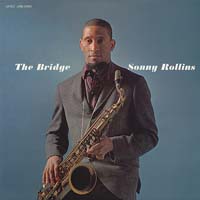 1962The Bridge
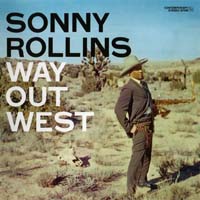 1957Way Out West
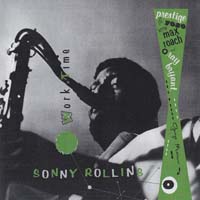 1956Work Time
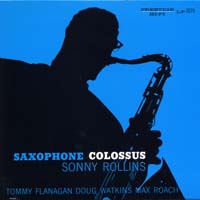 1956Saxophone Colossus
 1956Rollins Plays for Bird
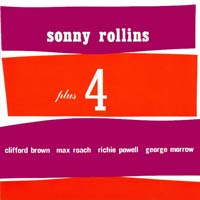 1956Plus 4
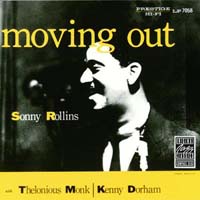 1956Moving Out