
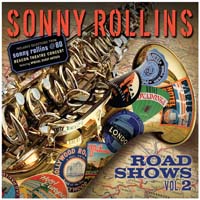
A closer look at Sonny Rollins's album Oleo
Oleo- Album Overview
Released in 1962, "Oleo" is a significant work in the jazz genre by the legendary tenor saxophonist Sonny Rollins. The album was recorded during a period when Rollins was in peak form, showcasing his innovative approach and mastery over the instrument. Labeled under the RCA Victor label, "Oleo" features a collection of tracks that exemplify the hard bop style, a sub-genre characterized by its energetic rhythms and complex harmonies.
The album consists of six tracks, including the titular "Oleo," a composition by the renowned jazz pianist and composer George Coleman. Other notable tracks include "Airegin," "Doxy," and "The Last Time I Saw Paris," each contributing to the album's dynamic range and Rollins's expressive style. Collaborating with Rollins on this album were prominent musicians such as guitarist Jim Hall, bassist Bob Cranshaw, drummer Elvin Jones, and trumpeter Don Cherry, all of whom brought their unique influences to the recording sessions. The album was produced by the esteemed Creed Taylor, known for his work with various jazz legends.
"Oleo" is not only a showcase of Rollins's virtuosic saxophone skills but also a cultural artifact of the early 1960s jazz scene. The album's release came at a time when jazz was evolving, with artists exploring new sounds and forms. Rollins's contributions to this evolution cannot be overstated, as he pushed the boundaries of improvisation and melodic exploration. The album is often cited by critics and fans alike as one of Rollins's essential works, reflecting his deep understanding of jazz and his ability to transcend conventional musical structures.
Review
In "Oleo," Sonny Rollins delivers a stunning exploration of jazz that is both intellectually stimulating and deeply emotive. The album opens with the title track, where Rollins's saxophone weaves in and out of the intricate melodies set by his bandmates, creating a captivating dialogue that sets the tone for the entire record. The interplay between the musicians is particularly notable, highlighting Rollins's ability to inspire and elevate those around him.
The album's arrangement is expertly crafted, with each track flowing seamlessly into the next, showcasing Rollins's improvisational skills and musical intuition. His sound is robust and full-bodied, characterized by a rich tone that resonates with a sense of urgency and passion. The rhythmic complexity and harmonic depth in tracks like "Airegin" further illustrate Rollins's artistry, as he navigates through rapid tempos and intricate chord changes with ease.
Overall, "Oleo" serves as a testament to Rollins's artistic vision—an album that not only encapsulates the spirit of the 1960s jazz movement but also solidifies his legacy as one of the genre's most influential figures.
Highlights
- Exceptional musicianship from Rollins and his collaborators.
- Innovative improvisations that push the boundaries of jazz.
- A cohesive and dynamic album structure that enhances the listening experience.
Weak points
- Some tracks may feel challenging for casual listeners unfamiliar with jazz intricacies.
- The production style, while polished, may lack the raw edge that some jazz purists prefer.
- Short runtime leaves listeners wanting more from this stellar lineup.
Overall evaluation
"Oleo" stands as a significant achievement in Sonny Rollins's discography and the broader jazz landscape. It is a compelling mix of technical skill and heartfelt expression, making it a must-listen for anyone interested in the genre.
Personal rating: 9/10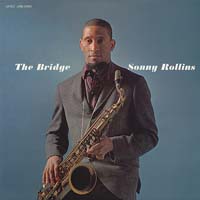 1962The Bridge
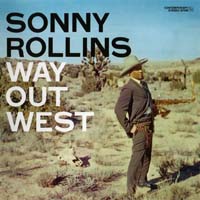 1957Way Out West
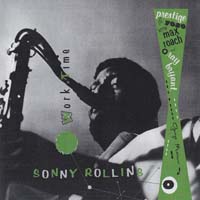 1956Work Time
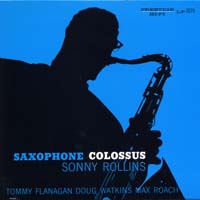 1956Saxophone Colossus
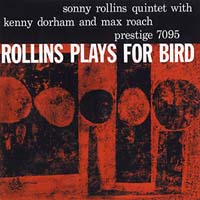 1956Rollins Plays for Bird
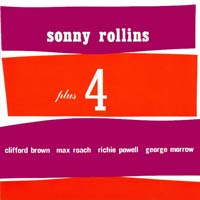 1956Plus 4
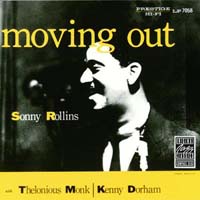 1956Moving Out