
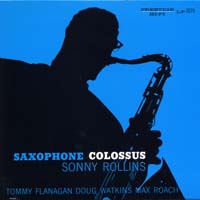
Inside the atmosphere of Sonny Rollins's Saxophone Colossus
Saxophone Colossus- Album Overview
Released in 1956, "Saxophone Colossus" stands as one of the most iconic albums in the jazz genre, showcasing the extraordinary talent of tenor saxophonist Sonny Rollins. Recorded at the prestigious Van Gelder Studio in Englewood Cliffs, New Jersey, the album was released on the legendary Prestige label, marking a significant moment in Rollins's career. The recording sessions took place in June of the same year and featured an impressive lineup of collaborators, including pianist McCoy Tyner, bassist Bob Cranshaw, and drummer Elvin Jones, who would later become essential to Rollins's sound.
The album consists of five tracks, including the unforgettable opener "St. Thomas" and the deeply expressive "Blue 7." "Saxophone Colossus" showcases Rollins's mastery of improvisation and his unique ability to blend complex melodies with rhythmic innovation. The album received critical acclaim upon its release and has since been recognized as a cornerstone of jazz music, influencing countless musicians across genres. Its cultural significance is underscored by its continued relevance; it has been included in various "greatest albums" lists and is frequently cited as an essential listen for anyone interested in jazz. The album's combination of technical skill and emotional depth illustrates Rollins's artistic vision, making it a timeless masterpiece.
Review
"Saxophone Colossus" is a breathtaking exhibition of Sonny Rollins's improvisational prowess and compositional skill. The album opens with the buoyant "St. Thomas," a calypso-influenced piece that immediately showcases Rollins's vibrant tone and rhythmic creativity. Each track flows seamlessly into the next, with Rollins's saxophone weaving intricate melodies that are both playful and profound. The rhythm section, particularly Elvin Jones's dynamic drumming, provides a solid foundation while allowing Rollins the freedom to explore his musical ideas.
The emotional depth of tracks like "Blue 7" reveals Rollins's ability to convey complex feelings through music, making the listener reflect deeply. The interplay between the musicians is electric, with each solo enhancing the overall narrative of the album. The production, handled by the renowned engineer Rudy Van Gelder, captures the rich sound of the instruments, adding to the immersive experience. Overall, "Saxophone Colossus" is not just an album; it is a powerful statement of artistic identity that resonates with listeners long after the final note fades away.
Highlights
- Masterful improvisation throughout the album.
- Strong ensemble chemistry among the musicians.
- Timeless tracks that have influenced generations of jazz artists.
Weak points
- Some may find the improvisational nature challenging to digest on first listen.
- Limited track variety with only five songs may leave listeners wanting more.
- Production style may feel dated compared to contemporary recordings.
Overall evaluation
"Saxophone Colossus" is a monumental work that captures the essence of jazz through the lens of one of its greatest saxophonists. It is both technically impressive and emotionally resonant, making it an essential listen for jazz enthusiasts and newcomers alike.
Personal rating: 9/10 2020Rollins In Holland
 1962The Bridge
 1957Way Out West
 1956Work Time
 1956Rollins Plays for Bird
 1956Plus 4
 1956Moving Out