
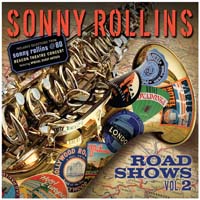
Review of Sonny Rollins – No Problem
No Problem- Album Overview
"No Problem," released in 1986, marks a significant entry in the discography of jazz legend Sonny Rollins. This album, produced by Rollins himself, was released under the Milestone Records label, a home for many of his most celebrated works. The recording sessions took place in the early months of the year, capturing a vibrant blend of Rollins' trademark tenor saxophone with a supporting cast of talented musicians. The lineup includes pianist Stephen Scott, bassist Bob Cranshaw, and drummer Al Foster, all of whom contribute to the album's dynamic sound.
No Problem features a mix of original compositions by Rollins along with jazz standards, showcasing his ability to reinterpret classic material with fresh perspectives. Notable tracks on the album include "The Everywhere Calypso" and "The Last Time I Saw Paris," which highlight his improvisational skill and deep understanding of jazz traditions. The album reflects a period of personal and professional renewal for Rollins, who had taken a hiatus from performing in the late 1970s and early 1980s. "No Problem" is significant not just for its musical content but also for Rollins' return to the forefront of the jazz scene, demonstrating his enduring relevance in a genre that was evolving rapidly. The album received positive reviews upon its release, cementing Rollins' status as a leading figure in jazz, and remains a testament to his artistic vision and resilience.
Review
The sound of "No Problem" is a rich tapestry of jazz influences, woven together by Rollins' masterful saxophone work. His ability to blend melodic lines with intricate rhythms showcases his genius as both a performer and a composer. The album radiates an uplifting energy, characterized by lively tempos and a playful spirit, particularly in tracks such as "The Everywhere Calypso." Rollins' artistic vision shines through as he effortlessly navigates between complex improvisations and heartfelt melodies, reflecting his deep emotional connection to the music. While the album may not reach the groundbreaking heights of his earlier works like "Way Out West," it nonetheless is a solid representation of his evolution as an artist in the mid-80s. The blend of jazz and calypso rhythms also speaks to a cultural dialogue, as Rollins incorporates diverse musical elements, making "No Problem" a noteworthy contribution to the genre.
Highlights
- Exceptional improvisational skill displayed by Rollins throughout the album.
- A vibrant blend of jazz and calypso influences, creating a unique listening experience.
- Strong performances by the accompanying musicians that complement Rollins’ playing.
Weak points
- Some tracks may feel less impactful compared to Rollins' earlier masterpieces.
- The production quality, while solid, lacks the polish of contemporary jazz albums.
- A few arrangements might come off as conventional for seasoned jazz listeners.
Overall evaluation
"No Problem" is a delightful addition to Sonny Rollins' catalog, showcasing his enduring talent and ability to innovate within the jazz genre. While it may not be his most groundbreaking work, it offers a joyful listening experience filled with rich musical textures and heartfelt performances.
Personal rating: 7/10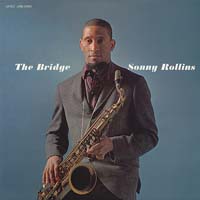 1962The Bridge
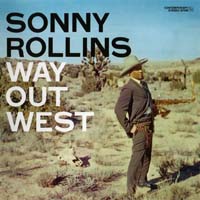 1957Way Out West
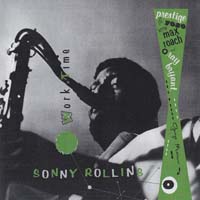 1956Work Time
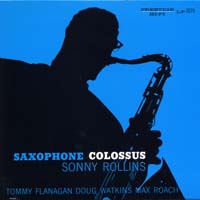 1956Saxophone Colossus
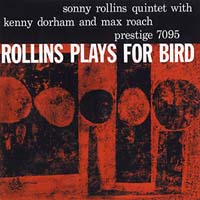 1956Rollins Plays for Bird
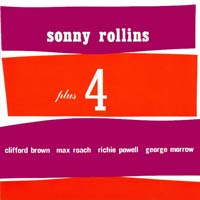 1956Plus 4
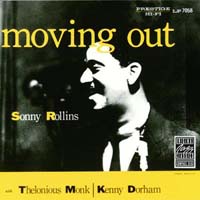 1956Moving Out