Biography
Miles Davis: history and sound
Miles Davis was a living legend in the world of jazz and an iconic figure in the realm of American music. With over one hundred albums under his belt, it's fair to say that he left behind countless masterpieces during his illustrious career. One could argue that his best works include classics such as It Never Entered My Mind, All Blues, and So What– just to name a few. The level of skill, creativity, and polished artistry expressed in each piece is incomparable. Whether you prefer Miles' earlier cool modal jazz or favour his later jazz fusion work, he truly left an amazing and diverse catalogue of exemplary music. His genius endures on forever.
The Life and Music of Miles Davis
Miles Davis is a name that needs no introduction in the world of music. The Jazz icon has left an indelible mark on music through his experimental style, innovative techniques, and breathtaking compositions. Even those who may have not listened to his music are bound to have heard of his name, and that's the kind of impact he has had. In this blog, we will take a deeper look into the life of Miles Davis, his music, and some of his best songs.
Miles Davis was born in Illinois in 1926 and from an early age, he took an interest in the trumpet. At the age of 16, he started playing in club bands in St. Louis, and by the time he moved to New York at the age of 18, he was already making waves in the Jazz scene. Miles was a pioneer in the jazz genre and his style changed the game forever. He experimented with different styles and techniques, incorporating different styles of music, which was unheard of in those days.
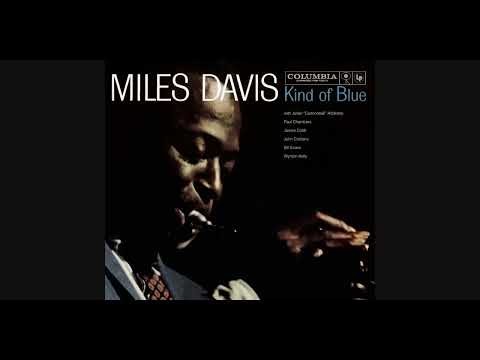
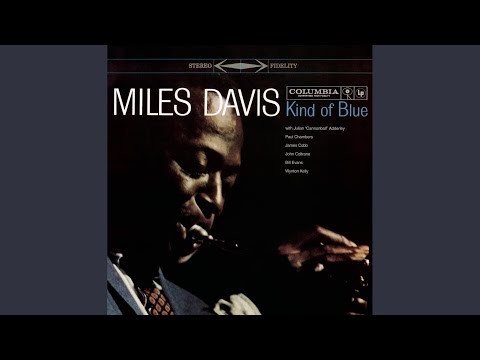
Miles Davis' discography is filled with countless Jazz masterpieces from several eras. Some of his best-known albums are 'Kind of Blue' and 'Bitches Brew'. Both albums are considered some of the greatest Jazz albums ever produced and still influence musicians today. So What, All Blues, and Blue in Green are some of the best songs on the 'Kind of Blue' album, which won a Grammy Award in 1960.
In 1970, Miles Davis played at the legendary Isle of Wight festival in England, where he performed a captivating set that still lives on among his best performances. He played alongside several other Rock bands, and his performance brought Jazz into the Rock music scene, making him a legend in both genres. This event marked a significant shift for Jazz music towards many generations.
Miles Davis was also known for his ability to cross over into other genres of music, which is evident on his album 'Tutu.' This album features techno and funk influences, something that has become more common in recent years. The album received mixed reviews upon its release, but it's now recognized as one of his best works.
Miles Davis was a legend and a true pioneer in Jazz music. His impact on music extends far beyond just Jazz; he revolutionized music and paved the way for many generations of musicians. Davis was never afraid to experiment and try new things, as he was always driven by the desire to push boundaries. His albums and performances are still referenced today, and his legacy will undoubtedly continue to inspire Jazz musicians around the world. For music listeners looking to dive into the world of Jazz, beginning with Miles Davis is always an excellent place to start. He's undoubtedly one of the greats, and his contribution to music should never be underestimated.
The Life and Music of Miles Davis
Miles Davis is a name that needs no introduction in the world of music. The Jazz icon has left an indelible mark on music through his experimental style, innovative techniques, and breathtaking compositions. Even those who may have not listened to his music are bound to have heard of his name, and that's the kind of impact he has had. In this blog, we will take a deeper look into the life of Miles Davis, his music, and some of his best songs.
Miles Davis was born in Illinois in 1926 and from an early age, he took an interest in the trumpet. At the age of 16, he started playing in club bands in St. Louis, and by the time he moved to New York at the age of 18, he was already making waves in the Jazz scene. Miles was a pioneer in the jazz genre and his style changed the game forever. He experimented with different styles and techniques, incorporating different styles of music, which was unheard of in those days.
Miles Davis' discography is filled with countless Jazz masterpieces from several eras. Some of his best-known albums are 'Kind of Blue' and 'Bitches Brew'. Both albums are considered some of the greatest Jazz albums ever produced and still influence musicians today. So What, All Blues, and Blue in Green are some of the best songs on the 'Kind of Blue' album, which won a Grammy Award in 1960.
In 1970, Miles Davis played at the legendary Isle of Wight festival in England, where he performed a captivating set that still lives on among his best performances. He played alongside several other Rock bands, and his performance brought Jazz into the Rock music scene, making him a legend in both genres. This event marked a significant shift for Jazz music towards many generations.
Miles Davis was also known for his ability to cross over into other genres of music, which is evident on his album 'Tutu.' This album features techno and funk influences, something that has become more common in recent years. The album received mixed reviews upon its release, but it's now recognized as one of his best works.
Miles Davis was a legend and a true pioneer in Jazz music. His impact on music extends far beyond just Jazz; he revolutionized music and paved the way for many generations of musicians. Davis was never afraid to experiment and try new things, as he was always driven by the desire to push boundaries. His albums and performances are still referenced today, and his legacy will undoubtedly continue to inspire Jazz musicians around the world. For music listeners looking to dive into the world of Jazz, beginning with Miles Davis is always an excellent place to start. He's undoubtedly one of the greats, and his contribution to music should never be underestimated.