Biography
Herbie Hancock: history and sound
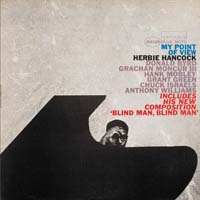
Herbert Jeffrey Herbie Hancock (born April 12, 1940) is an American pianist, keyboardist, bandleader and composer. Herbie Hancock's iconic soundwaves fill our hearts and souls with blissful sentiments. His music captures a range of emotions, from the feels you get when his songs are playing in the background or taking center stage for bold grooves. His classic hits "Cantaloupe Island" and "Chameleon" still pound through car speakers and dance floors around the world no matter how long it's been on the charts. Fans simply can't get enough of Herbie Hancock's arrangements and express joy with the mere mention of his name! He will forever remain known as one of the greats who took jazz to a whole new level.
Discovering the Genius of Herbie Hancock: A Musical Biography
When it comes to music legends, few can match the sheer range and creative brilliance of Herbie Hancock. Born in Chicago in 1940, Hancock rose to fame in the mid-60s as a pianist and composer who blended jazz with funk, rock, and soul to create a sound that was entirely his own. Since then, he has been a trailblazer, experimenting with new sounds and technologies, collaborating with some of the biggest names in the business, and winning numerous Grammys and other awards. In this article, we’ll delve into the life and career of Herbie Hancock, explore his best songs, music genres, and concerts, and provide a critical look into his musical genius.
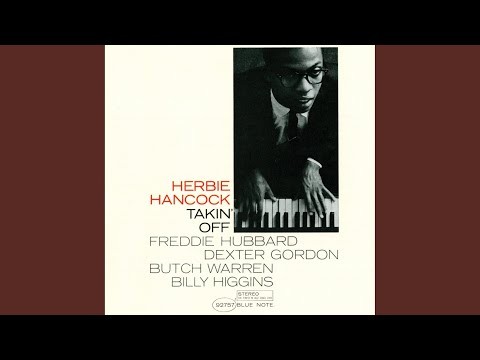
Herbie Hancock started playing the piano at the age of seven, inspired by his love of classical and jazz music. After graduating from high school, he went to Grinnell College in Iowa to study music but soon dropped out to pursue a career in New York City. In the early 60s, Hancock played with legendary jazz musicians such as Donald Byrd and Miles Davis, who recognized his unique talent and encouraged him to develop his own style. His first album, Takin' Off, was released in 1962 and featured the hit song Watermelon Man, a funky tune that would become his signature sound.
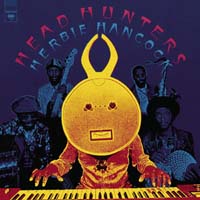
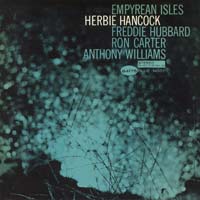
As the 60s went on, Hancock's music became more experimental, incorporating elements of rock, funk, and electronic music. He collaborated with other jazz greats, including Wayne Shorter, Freddie Hubbard, and Ron Carter. He also began to explore the possibilities of new technologies, such as the synthesizer and electronic drum machines, which would become his trademark sound. His album Head Hunters, released in 1973, was a groundbreaking fusion of jazz, funk, and rock, and featured the hit singles Chameleon and Watermelon Man.
Over the years, Hancock has experimented with a variety of genres, including jazz fusion, funk, and electro-pop. His sound has evolved to keep up with changing musical tastes, but he has always stayed true to his jazz roots. Some of his most popular songs include Rockit, Cantaloupe Island, and Chameleon. He has collaborated with a variety of artists, including Stevie Wonder, Chick Corea, and Joni Mitchell, and has received numerous accolades for his contributions to the music industry.
Herbie Hancock has also been recognized for his live performances. Some of his most famous concerts include his 1973 Carnegie Hall performance, where he played a memorable version of the classic jazz standard Maiden Voyage, and his 1985 performance at the Live Aid concert, where he played Rockit to an audience of millions around the world. He continues to tour and perform, delighting audiences with his virtuosic playing and infectious energy.
In conclusion, Herbie Hancock is a true music legend. His innovative blend of jazz, funk, and electronic music has influenced generations of musicians and continues to inspire audiences around the world today. From his early days playing with jazz greats to his more recent collaborations with hip-hop artists and DJs, he has always been at the forefront of musical experimentation and innovation. So if you're a fan of jazz, funk, or just great music in general, be sure to explore the wonderful world of Herbie Hancock. You won't be disappointed!
Discovering the Genius of Herbie Hancock: A Musical Biography
When it comes to music legends, few can match the sheer range and creative brilliance of Herbie Hancock. Born in Chicago in 1940, Hancock rose to fame in the mid-60s as a pianist and composer who blended jazz with funk, rock, and soul to create a sound that was entirely his own. Since then, he has been a trailblazer, experimenting with new sounds and technologies, collaborating with some of the biggest names in the business, and winning numerous Grammys and other awards. In this article, we’ll delve into the life and career of Herbie Hancock, explore his best songs, music genres, and concerts, and provide a critical look into his musical genius.
Herbie Hancock started playing the piano at the age of seven, inspired by his love of classical and jazz music. After graduating from high school, he went to Grinnell College in Iowa to study music but soon dropped out to pursue a career in New York City. In the early 60s, Hancock played with legendary jazz musicians such as Donald Byrd and Miles Davis, who recognized his unique talent and encouraged him to develop his own style. His first album, Takin' Off, was released in 1962 and featured the hit song Watermelon Man, a funky tune that would become his signature sound.
As the 60s went on, Hancock's music became more experimental, incorporating elements of rock, funk, and electronic music. He collaborated with other jazz greats, including Wayne Shorter, Freddie Hubbard, and Ron Carter. He also began to explore the possibilities of new technologies, such as the synthesizer and electronic drum machines, which would become his trademark sound. His album Head Hunters, released in 1973, was a groundbreaking fusion of jazz, funk, and rock, and featured the hit singles Chameleon and Watermelon Man.
Over the years, Hancock has experimented with a variety of genres, including jazz fusion, funk, and electro-pop. His sound has evolved to keep up with changing musical tastes, but he has always stayed true to his jazz roots. Some of his most popular songs include Rockit, Cantaloupe Island, and Chameleon. He has collaborated with a variety of artists, including Stevie Wonder, Chick Corea, and Joni Mitchell, and has received numerous accolades for his contributions to the music industry.
Herbie Hancock has also been recognized for his live performances. Some of his most famous concerts include his 1973 Carnegie Hall performance, where he played a memorable version of the classic jazz standard Maiden Voyage, and his 1985 performance at the Live Aid concert, where he played Rockit to an audience of millions around the world. He continues to tour and perform, delighting audiences with his virtuosic playing and infectious energy.
In conclusion, Herbie Hancock is a true music legend. His innovative blend of jazz, funk, and electronic music has influenced generations of musicians and continues to inspire audiences around the world today. From his early days playing with jazz greats to his more recent collaborations with hip-hop artists and DJs, he has always been at the forefront of musical experimentation and innovation. So if you're a fan of jazz, funk, or just great music in general, be sure to explore the wonderful world of Herbie Hancock. You won't be disappointed!