
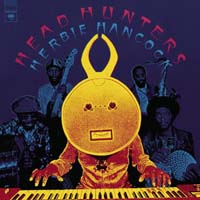
Hot Piano by Herbie Hancock: expectations vs reality
Hot Piano- Album Overview
"Hot Piano," released in 1988, is a unique entry in Herbie Hancock's diverse discography. This album marked a departure from his earlier work, showcasing a more experimental approach to jazz fusion. Released under the Verve label, "Hot Piano" features Hancock's virtuosity on the piano and synthesizers, interspersed with elements of funk and electronic music. The album was recorded during a period when Hancock was heavily influenced by the burgeoning electronic scene, which is evident in its production style and soundscapes.
The album consists of a collection of tracks that range from upbeat grooves to introspective melodies, highlighting Hancock's ability to blend various genres seamlessly. Collaborators on this project include renowned musicians, although specific credits are sparse, Hancock's artistry is palpable throughout. Notable tracks such as "Giant Steps" and "Cantaloupe Island" showcase Hancock’s innovative approach to jazz, breathing new life into familiar themes.
"Hot Piano" is significant not just for its musical content but also for its cultural context. The late 80s saw a shift in jazz as artists began to incorporate technology and new musical styles into their work. Hancock, being a pioneer in this regard, continued to push boundaries, influencing a generation of musicians. While the album did not produce mainstream hits, it remains a testament to Hancock's adventurous spirit and his commitment to evolving the jazz genre.
Review
The sound of "Hot Piano" is both captivating and eclectic, characterized by Hancock's signature blend of jazz, funk, and electronic elements. The album opens with a vibrant energy that carries through the tracks, showcasing Hancock's intricate piano work and imaginative arrangements. The production is polished, with a clear emphasis on the interplay between acoustic and synthesized sounds. Hancock's ability to manipulate these elements creates a rich tapestry of sound that is both engaging and thought-provoking.
However, while the music excels in technical prowess, some listeners may find the lack of cohesive lyrical content a miss in terms of traditional song structure. Hancock's focus on instrumental exploration takes precedence over lyrical storytelling, which may alienate those who prefer more conventional narratives in music. Nevertheless, the artistic vision behind "Hot Piano" is commendable, as it challenges the listener to appreciate the subtleties and complexities of jazz in a modern context.
Highlights
- Innovative blend of jazz, funk, and electronic sounds.
- Intricate piano arrangements showcasing Hancock's virtuosity.
- Rich production quality that enhances the listening experience.
Weak points
- Lack of cohesive lyrical content may deter some listeners.
- Not as commercially successful as Hancock's earlier works.
- Some tracks may feel overly experimental for traditional jazz fans.
Overall evaluation
In summation, "Hot Piano" by Herbie Hancock is a bold exploration of sound that reflects the artist's ongoing evolution within the jazz genre. While it may not resonate with all listeners due to its experimental nature, it remains a significant work that highlights Hancock's innovative spirit. This album is a must-listen for those who appreciate the fusion of jazz with modern musical elements.
Personal rating: 7/10 1982Herbie Hancock Trio
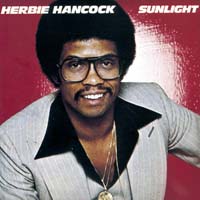 1978Sunlight
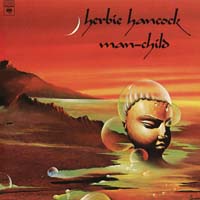 1975Man-Child
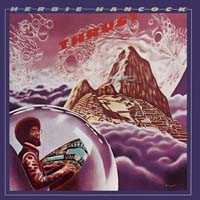 1974Thrust
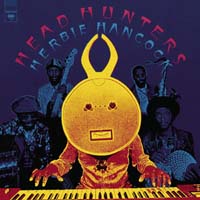 1973Head Hunters
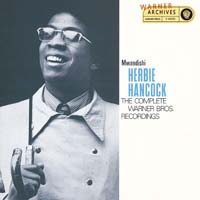 1970Mwandishi
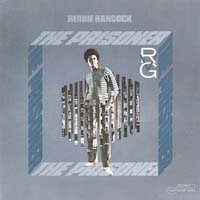 1969The Prisoner
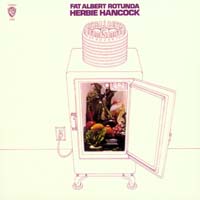 1969Fat Albert Rotunda
 1968Speak Like a Child
 1965Maiden Voyage
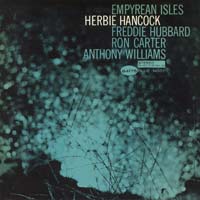 1964Empyrean Isles
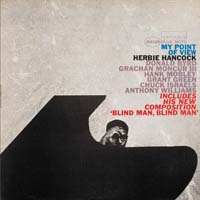 1963My Point of View