ALBUM NOTESA closer look at Herbie Hancock-Third Plane's album Third Plane
Album overview
Herbie Hancock's album "Third Plane" was released in 1980, under the Columbia Records label. This album is a notable entry in Hancock's extensive discography, showcasing his innovative approach to jazz fusion during the late 20th century. "Third Plane" was recorded during a period when Hancock was experimenting with synthesizers and electronic instrumentation, reflecting the technological advancements of the time. Collaborating with an array of talented musicians, including bassist Paul Jackson and drummer Mike Clark, Hancock created a sound that merged traditional jazz elements with funk and soul influences.
The album features eight tracks, with standout pieces like "Actual Proof" and "Butterfly" exemplifying Hancock's ability to blend complex jazz harmonies with accessible melodies. The production was overseen by Hancock himself, who was known for his meticulous attention to detail in both composition and sound design. "Third Plane" stands as a testament to Hancock's visionary approach, as he navigated the cultural shifts of the late '70s and early '80s, pushing the boundaries of jazz and paving the way for future genres.
Musically, "Third Plane" exemplifies Hancock's signature style, characterized by intricate piano work, innovative synthesizer use, and a strong rhythmic foundation. The album is often celebrated for its cultural significance within the jazz genre and beyond, influencing countless artists in the realms of electronic music and pop.
Review
"Third Plane" is an album that encapsulates Herbie Hancock's genius in merging the complexity of jazz with the accessibility of pop and funk. The opening track, "Actual Proof," immediately draws listeners in with its infectious groove and intricate keyboard solos, setting the tone for the rest of the album. Hancock's exploration of electronic textures is both captivating and innovative, weaving in layers of sound that feel ahead of their time.
The lyrical content, where applicable, reflects introspective themes, yet the focus remains largely on the instrumental prowess of the musicians involved. Hancock's artistic vision shines through as he seamlessly blends different genres, creating a rich tapestry of sound that appeals to a wide audience. The production quality is top-notch, emphasizing the clarity and depth of each instrument.
Overall, "Third Plane" is a compelling listen that showcases Hancock's artistic evolution. It is a celebration of creativity and innovation, making it a significant contribution to the landscape of jazz and modern music.
Highlights
- Innovative fusion of jazz, funk, and electronic elements
- Intricate and captivating keyboard solos
- Strong collaborative performances from talented musicians
Weak points
- Some tracks may feel less accessible to mainstream audiences
- Occasional over-reliance on synthesizers can overshadow live instrumentation
- Length of the album may test the patience of casual listeners
Overall evaluation
"Third Plane" stands as a significant work in Herbie Hancock's storied career, demonstrating his ability to innovate and influence. While it may not cater to every listener's taste, its artistic merit is undeniable.
Personal rating: 8/10
```

 1982Herbie Hancock Trio
 1978Sunlight
 1975Man-Child
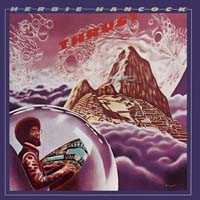 1974Thrust
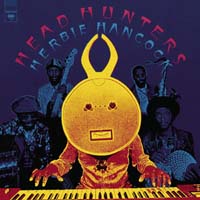 1973Head Hunters
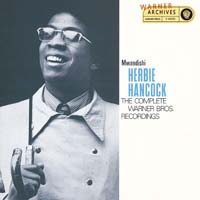 1970Mwandishi
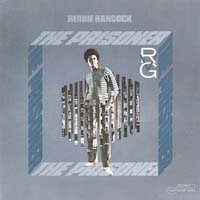 1969The Prisoner
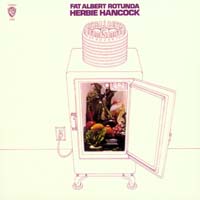 1969Fat Albert Rotunda
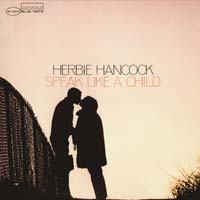 1968Speak Like a Child
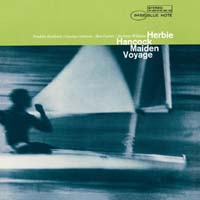 1965Maiden Voyage
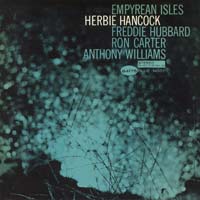 1964Empyrean Isles
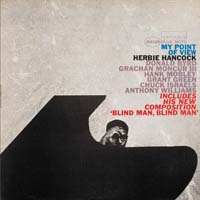 1963My Point of View